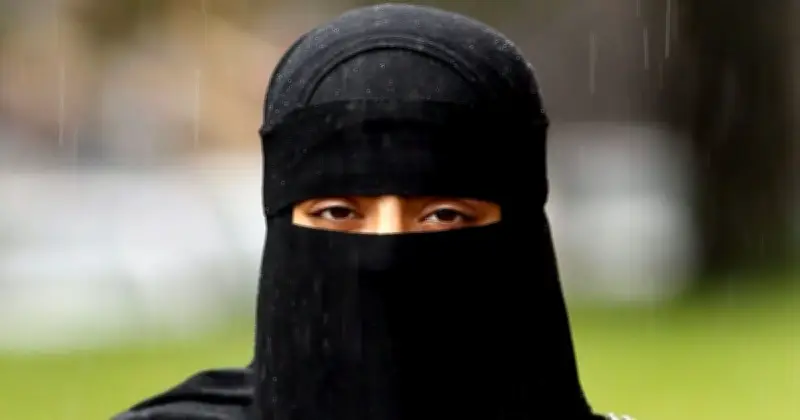
Portugal has enacted a ban on clothing designed to hide the face or prevent identification in public places, joining at least 24 other countries with similar restrictions. President António Jose Seguro approved the legislation, stating the face must be viewed as a "central element of human identity and communication."
Details of the New Law
Dubbed the "burqa law" by Portuguese media, the legislation prohibits garments that conceal the face or hinder identification in public spaces. It also bans forcing a person to cover their face based on gender, religion, age, or country of origin. The law has divided opinion in Portugal, with left-wing political parties warning it could fuel Islamophobia, while those on the right argue it will safeguard women's rights and security.
Countries with Burqa Bans
At least 24 countries already have full or partial bans in place, including nations with majority Muslim populations. The countries are: Algeria, Austria, Azerbaijan, Belgium, Bulgaria, Canada, Chad, China, Denmark, France, Gabon, Kosovo, Kyrgyzstan, Latvia, Luxembourg, The Netherlands, Norway, Sri Lanka, Switzerland, Tajikistan, Tunisia, Turkmenistan, Turkey and Uzbekistan.
France passed a law prohibiting the burqa or niqab in July 2010, which does not apply to clothing worn for sport, health, or work reasons. The French government introduced the ban under its principle of laïcité, meaning strict secularism, for "public safety" and to maintain social cohesion. An appeal against the ban was thrown out by the European Court of Human Rights in 2014, which ruled it did not violate religious freedom. Despite this, the United Nations Human Rights Committee found the ban harmed Muslim women in particular and violated their religious freedom.
Other Countries and UK Context
In Canada, the ban applies in Quebec, which prohibits the niqab and burqa for public workers. Women must also show their faces when interacting with government services in the province. Turkey had banned the wearing of Islamic headscarves, but the ban on them being worn in state institutions was lifted in October 2013.
Britain has considered a burqa ban but does not currently prohibit it. The House of Commons held a second reading of the Face Coverings (Prohibition) Bill in February 2014, but it did not complete its passage through Parliament. Restore Britain leader, Rupert Lowe, and Independent MP James McMurdock, both former Reform UK MPs, tabled a motion to ban full face coverings in public in June last year. No other MP signed the motion, which argued full-face coverings undermine communication, trust and public safety.
The National Centre for Diversity has argued against a ban in the UK, maintaining that nobody should have the power to dictate what a woman wears and that banning the burqa would be unfair. The Centre insists it is "fundamentally unfair" to single out Muslim women and ask them to "bear the burden" of social discomfort at visible religious expression. It adds: "Fairness means listening before judging and recognising that one person’s discomfort does not justify another person’s loss of liberty. Banning the burqa presumes that women who wear it are incapable of making their own decisions. That is not respect - it’s paternalism."