
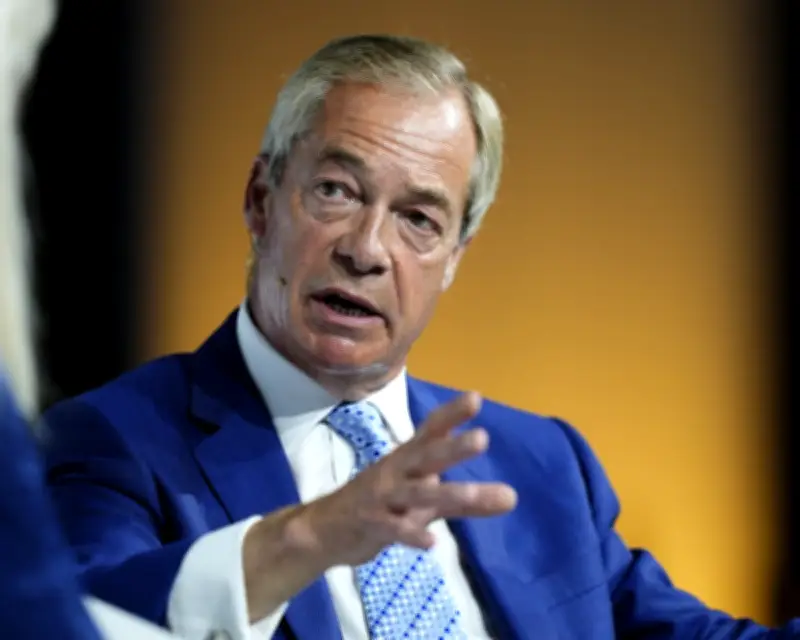
Nigel Farage, the former UKIP leader and prominent Brexit campaigner, has been referred to the parliamentary standards watchdog following allegations that he engaged in undisclosed lobbying on behalf of the cryptocurrency industry. The complaint, lodged by the campaign group Transparency International UK, claims that Farage failed to register his financial interests before meeting with government ministers to push for lighter regulation of digital assets.
Allegations of Undeclared Interests
According to the complaint, Farage met with Treasury officials and the economic secretary to the Treasury in early 2026 to advocate for a more permissive regulatory framework for cryptocurrencies. The meetings allegedly took place without Farage declaring that he held a paid consultancy role with a major crypto exchange. Under parliamentary rules, MPs and former MPs who hold lobbying roles must register any financial interests related to their advocacy.
Transparency International UK stated that Farage's actions "raise serious questions about the integrity of our parliamentary system." The group added that "if these allegations are proven, it would represent a clear breach of the rules designed to prevent undue influence."
Farage's Response
Farage has denied any wrongdoing, describing the complaint as "a politically motivated attack" by his opponents. In a statement, he said: "I have always acted within the rules and have nothing to hide. This is yet another attempt to silence me because I speak out against the establishment." He confirmed that he had met with officials but insisted that his involvement with the crypto sector was "transparent and properly declared."
Parliamentary Standards Investigation
The parliamentary commissioner for standards will now assess whether to launch a formal investigation. If the commissioner finds sufficient evidence, the case could be referred to the Committee on Standards, which has the power to recommend sanctions including suspension from the House of Commons or a ban from lobbying.
The watchdog has come under increased scrutiny in recent years as concerns grow over the influence of money in politics. A 2025 report by the Committee on Standards found that "the current system of registering interests is not fit for purpose" and called for tougher enforcement.
Broader Implications for Crypto Regulation
The controversy comes at a time when the UK government is considering significant changes to its cryptocurrency regulations. The Treasury has been consulting on a new regulatory framework that would bring digital assets under the purview of the Financial Conduct Authority. Industry insiders have lobbied hard for a light-touch approach, arguing that excessive regulation could stifle innovation and drive businesses overseas.
Critics, however, warn that unregulated crypto markets pose risks to consumers and financial stability. The Bank of England has previously cautioned that "the rapid growth of crypto assets could create systemic risks if left unchecked."
The outcome of the Farage case could set a precedent for how lobbying by former politicians is policed. Transparency International UK has called for "urgent reforms to ensure that the rules are enforced consistently and transparently."




