
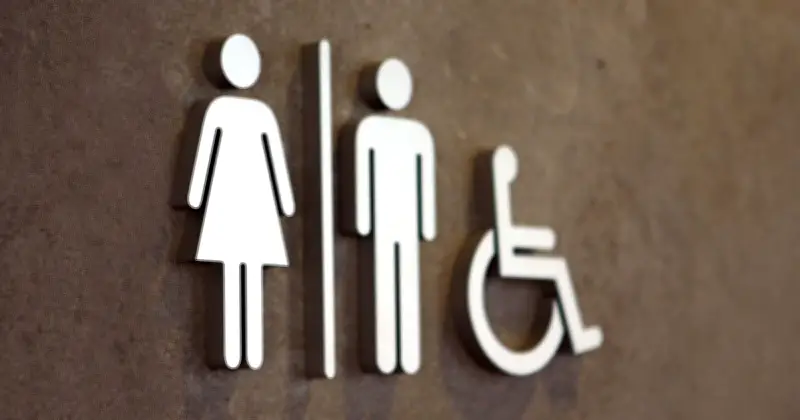
A new toilet rule is set to come into force across 13,000 loos in England, Scotland and Wales from August 5, requiring single-sex toilets and changing rooms to be used only by those of the corresponding biological sex. The updated code of practice, published by the Government following a Supreme Court ruling in April 2025, clarifies that under the Equality Act, a service must be used on the basis of biological sex to be classed as single-sex.
Impact on facilities and costs
Press Association analysis suggests nearly 13,000 toilets and more than 5,000 changing rooms at gyms, hospitals, and leisure centres across Britain may need to be revamped, with costs running into millions. At least 18,000 signs might also need to be changed. Public-sector bodies, such as local councils, face unadjusted cleaning costs of £20.6 million and £14.2 million per year for building work, though these sums could rise.
The code – updated for the first time in more than a decade – was published eight months after being handed over from the Equality and Human Rights Commission (EHRC), facing criticism for the delay. The Government insisted it was “taking the time to get this right”.
Affected organisations and reactions
The updated guidance will affect service providers such as restaurants, leisure centres, and hairdressers; public functions like council services; and associations such as local sports clubs with at least 25 members. For Women Scotland (FWS), who were behind the Supreme Court case, said: “It’s important to remember that the code does not represent a change in the law, just practical help for implementing it. If businesses have been complying with the law, there shouldn’t be a need for major changes.”
However, a spokesperson for the Trans+ Solidarity Alliance described the guidance as “unworkable” and said it could “lead to widespread harm for trans people and those who don’t conform to gender stereotypes, and put businesses and charities in the crossfire of endless litigation”.
Government stance and unisex alternatives
A Government spokesperson previously said the statutory guidance is “about giving organisations the guidance they need, not changing the law or creating new rules” and suggested “many businesses will already be largely compliant with the code so there will be no cost at all”. The code notes that unisex services such as self-contained lockable cubicles could still ensure provision for all, and it would be “very unlikely to be proportionate to put a trans person in a position where there is no service that they are allowed to use”.




