
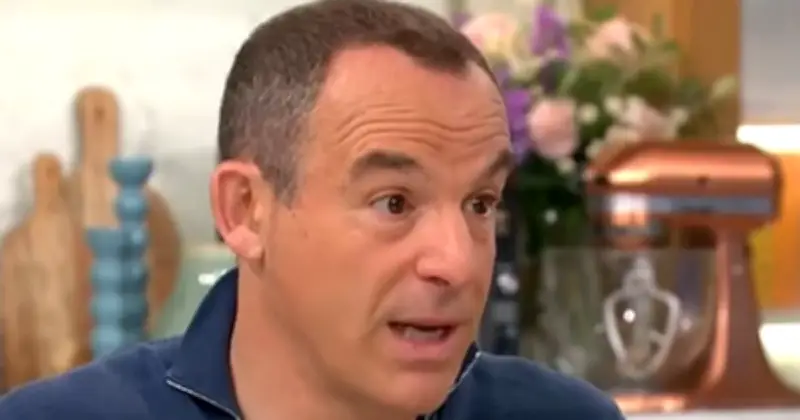
Martin Lewis has issued a verdict on new Prime Minister Andy Burnham's tax rule change, warning that households may not feel the benefit in their pockets. Burnham announced the removal of VAT from domestic electricity bills from October 1st, when the next Ofgem price cap comes into force, aiming to support households during winter.
Lewis Highlights Potential Catch
The MoneySavingExpert described the tax cut as a “very welcomed” step forward on X, but cautioned that the impact might be negated by a predicted price cap rise. He stated: “The energy Price Cap on 1 October for elec & gas is currently predicted to rise 3.1% which on typical bills is over £50 on an annualised basis. So the VAT cut gain over 6mths is mostly eaten up by that. Especially as the prediction is a further rise in January.”
Price Cap Rise Offsets VAT Saving
Burnham's tax cut is designed to reduce bills, but because it coincides with the price cap increase, households may see bills stay the same at best rather than drop. Lewis explained: “Ultimately though it does mean people will pay less than they would've done without this. Yet it is going to need a lot more policy cost reductions, likely at the budget, for things to feel materially cheaper.”
Funding and Future Measures
The VAT cut will be funded by cancelling the Digital ID programme, saving £1.8 billion. Future long-term measures will be announced at the next Budget. Prime Minister Andy Burnham said: “Westminster has not been working for people for too long, with families struggling with the cost of living. That needs to change. I said I wanted to give people breathing space, and that’s what I’m announcing on my second day as Prime Minister.”
The VAT cut is expected to take around £45 off annual bills after the Ofgem price cap. All suppliers are expected to pass the reduction to customers, including those on fixed tariffs. New Chancellor John Healey added: “For too long, too many people have struggled with the cost of living. Today’s energy tax cut will give families some breathing room on bills, and provide some reassurance this winter.”




