
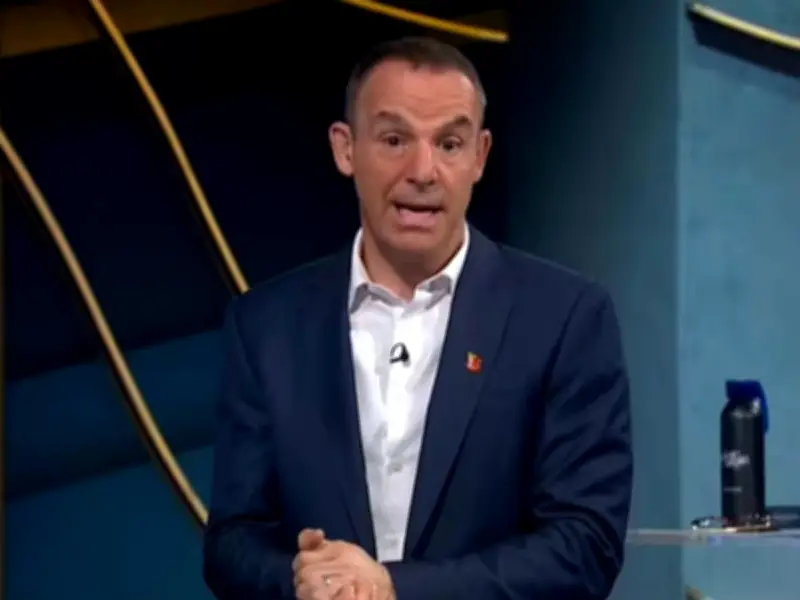
Money-saving expert Martin Lewis has called on millions of households to snap a photo of their gas and electricity meters before midnight on June 30 to avoid paying steeper energy rates when the Ofgem price cap climbs. The alert affects customers of British Gas, Octopus Energy, EDF, E.ON Next, Scottish Power, Ovo Energy and other suppliers on standard variable tariffs without a functioning smart meter.
Price Cap Rise Details
From July 1, the Ofgem energy price cap will jump by 13%, raising the annual bill for a typical household from £1,641 to £1,862 — an increase of £221. Lewis cautioned that customers who neglect to provide an updated meter reading risk their supplier estimating consumption before and after the price hike, meaning some energy used before July 1 could be billed at the higher rate.
Speaking on his BBC Sounds and Spotify podcast, Lewis said: "When I first did this I suggested meter reading day and I crashed virtually every energy site. You can backdate, go and get a meter reading. For belt and braces, you can take a picture of the meter."
Backdating and Timestamped Records
Lewis clarified that customers no longer need to submit readings precisely at midnight because many suppliers now permit readings to be backdated to June 30 if provided within a few days. Snapping a picture of the meter before the price cap shift provides a timestamped record of consumption and could help resolve disputes if estimated readings are used later.
The guidance is especially crucial for homes without working smart meters, as energy firms might otherwise rely on estimated readings to calculate bills when tariffs change. The Ofgem price cap does not cap total annual household costs; it sets the maximum unit rate suppliers can charge for gas and electricity on standard variable tariffs. Therefore, homes consuming more energy than the typical amount will pay more than the headline figure.
Impact on Households and Economy
Susannah Streeter, head of money and markets at Hargreaves Lansdown, said: "Household energy prices will rise by 13 per cent due to soaring wholesale costs, a highly unwelcome change, just as bills had been reducing." She warned that steeper energy costs will squeeze household budgets, leaving families with less cash for shopping, dining out and holidays, while increasing pressure on retailers and hospitality firms.
Energy Secretary Ed Miliband acknowledged the impact, stating: "The rise in the price cap because of a war we did not choose is deeply unwelcome news for households across the country. We know people were under pressure before this crisis, and that's why easing that burden is our number one priority." He added that the government continues investing in clean, homegrown energy and improving home energy efficiency to lower bills in the long term.
Action for Customers
For customers on standard variable tariffs, taking a meter reading — or simply photographing the meter before the end of June 30 — can help ensure they are charged the correct rate for energy already consumed before prices escalate. Without a precise reading, some energy used on June 30 could be charged at the higher July 1 rates if suppliers estimate usage across the billing period.




