
Understanding Statutory Nuisance
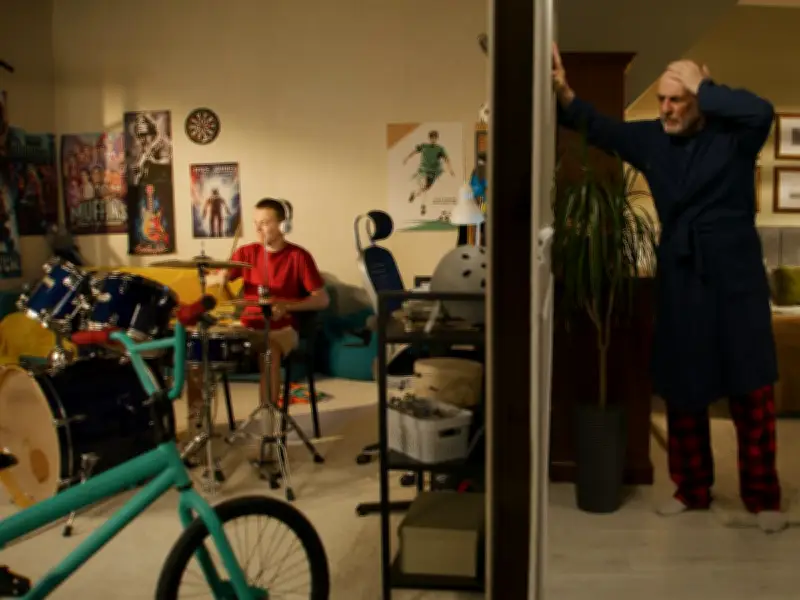
Loud music from a neighbour late at night can be more than an annoyance, especially if it happens repeatedly. However, not every disturbance qualifies as a legal nuisance, and the action you can take depends on the circumstances.
Councils are responsible for investigating noise complaints that could amount to a statutory nuisance, according to GOV.UK. This includes loud music from neighbouring homes if it unreasonably interferes with the use or enjoyment of your property.
No Nationwide Curfew for Household Noise
A common misconception is that playing music after 11pm is automatically illegal. Government guidance states there is no nationwide curfew for household noise. Instead, councils consider factors such as volume, frequency, duration and time of day.
Council Powers Under Environmental Protection Act
Environmental health officers have legal powers to investigate persistent complaints. Under the Environmental Protection Act 1990, local authorities must take reasonable steps to investigate complaints that could constitute a statutory nuisance.
If a council decides a statutory nuisance exists, it can require the person responsible to reduce or stop the noise. GOV.UK says councils can serve a noise abatement notice. Failure to comply can result in prosecution or financial penalties.
Try Informal Resolution First
Before making a formal complaint, it is often worth trying to resolve the issue informally where it is safe to do so. Citizens Advice suggests that many neighbour disputes can be settled by speaking calmly with the other person before involving the council.
If the problem continues, keeping a record can strengthen your complaint. Citizens Advice recommends noting the dates, times, duration and nature of the noise, as this may help environmental health officers assess the situation.
Other Noises and Police Involvement
Noise from parties, DIY or household appliances is dealt with in much the same way as loud music. Councils assess whether the disturbance is unreasonable rather than focusing on one specific type of noise.
Police may become involved in some cases, but usually not because of the music itself. The College of Policing says officers may respond where noise is linked to anti-social behaviour, disorder or other criminal offences alongside the disturbance.
Your Next Steps
Your legal rights depend on whether the noise amounts to a statutory nuisance rather than simply being irritating. Your local council is usually the first point of contact for persistent late-night noise, while informal discussions can often resolve less serious issues before they escalate.




