
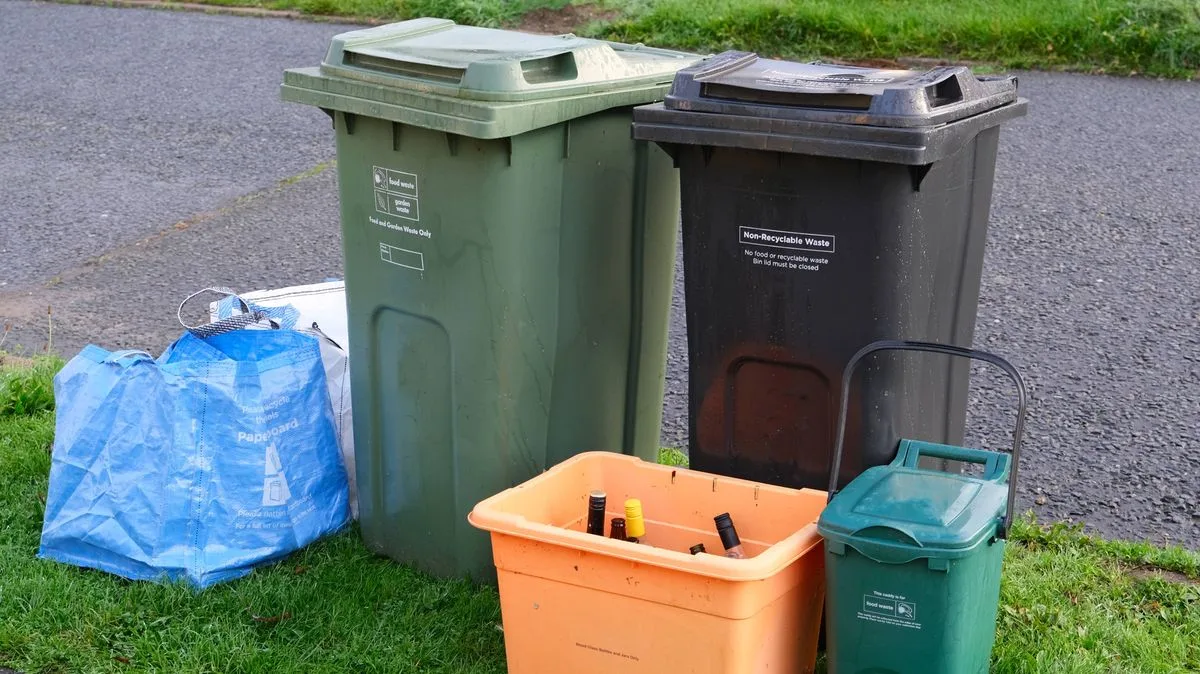
England's new 'Simpler Recycling' reforms, introduced under the Environment Act 2021, have banned several common kitchen items from household recycling bins. The rules, which came into force at the end of last month, aim to streamline recycling and reduce landfill waste by enforcing separate collections for food waste, paper, glass, metal, and plastic.
Drinking glasses, including wine glasses and tumblers, are now prohibited from recycling collections due to the different melting points of various glass types. Residents are advised to wrap them carefully and dispose of them in general waste. Similarly, Pyrex jugs and glass casserole dishes cannot be recycled at home; if intact, they should be donated or upcycled, and if broken, placed in general waste.
Worn or chipped mugs and plates are also banned from recycling bins. Experts suggest repurposing them or donating to charity shops. Cutlery should not be placed in recycling bins; instead, consider selling valuable items or taking them to a scrap metal recycling centre. Old pots and pans, while not accepted in home recycling, can be donated, repurposed as planters, or taken to scrap metal facilities.
Finally, coffee pods are no longer recyclable at home, but many household recycling centres have introduced dedicated coffee pod recycling bins. Residents may need to separate plastic and aluminium pods. It is important to note that some local councils are exempt from these rules until 2040, so checking with local authorities is recommended.




