
In a bid to counter rural disaffection that has fuelled support for the far-right Alternative für Deutschland (AfD), several German regions are turning to hybrid village stores. These shops allow customers to enter and shop autonomously after staff have left, using an electronic fob or card. The initiative aims to keep vital community hubs alive in areas where staffing shortages, supermarket competition and rising inflation have forced many small businesses to close.
In Rhineland-Palatinate, where the AfD won nearly 20% in a state election in March – a record in a west German region – officials are piloting the hybrid model. Irmtraut Ehtechame, 68, manager of the Dorfladen village shop in Seibersbach, which went hybrid in December, said her business was struggling. “I had written a cry for help that our shop wasn’t going to make it because we kept slipping into the red, between energy price hikes from the Ukraine war and the minimum wage increase,” she said.
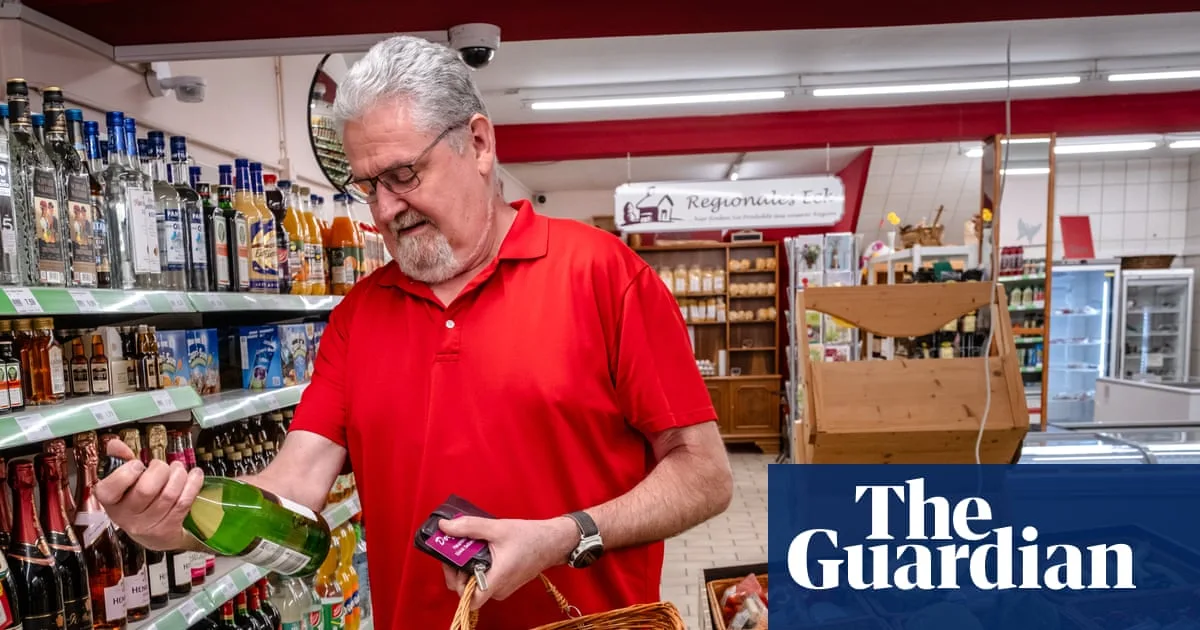
The shop now offers a full range of staples plus local specialities, and customers can shop at any hour. Frank Wilhelm, 66, a retired auto mechanic, praised the system: “I love the freedom of being able to shop really early, before everyone is up, and if I’ve forgotten something at night or friends drop by, I can pop in to pick up some drinks and snacks.” He added that the shop remains a community anchor, with friends delivering supplies to elderly neighbours.
Volker Bulitta, 69, who leads a government advisory programme for rural businesses, said stores like Seibersbach’s would not survive without state aid in areas too remote for online deliveries. However, the hybrid model has proved successful, with no thefts or vandalism reported during unstaffed hours. The programme is seen as a way to address the underlying causes of the far right’s appeal by preserving community life in rural areas.




