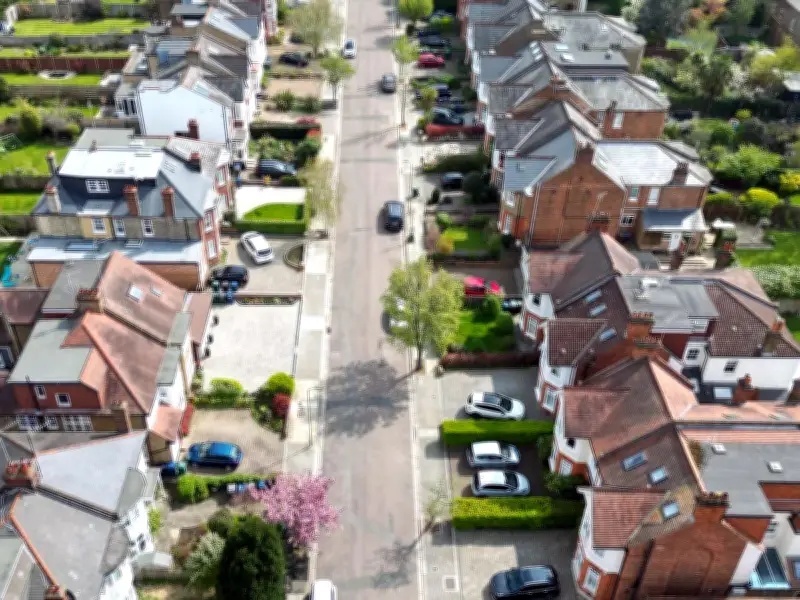
A familiar parking habit could leave motorists facing an unwelcome penalty, as a reminder about a Highway Code rule that affects driveways across the UK has been issued. Rule 243 tells drivers not to stop or park where the kerb has been lowered to help wheelchair users and powered mobility vehicles, or in front of an entrance to a property.
What the Rule Says
Dropped kerbs are commonly installed to allow vehicles to cross the pavement and access driveways, while others are designed to help pedestrians cross the road. This means drivers should think carefully before leaving their vehicle across one, even if they are only planning to stop briefly. Blocking the lowered section can prevent residents from getting vehicles on or off their property and can also obstruct vulnerable people.
The Highway Code says drivers should not park "in front of an entrance to a property", except when forced to do so by stationary traffic. It also lists several other places where motorists should not stop or park, including near school entrances, at or near certain junctions and anywhere access for emergency services would be prevented.

Enforcement and Penalties
It can be particularly important in areas where councils have parking enforcement powers. Reading Borough Council, for example, says motorists parked alongside a dropped kerb can receive a £70 Penalty Charge Notice, while other councils have their own enforcement arrangements.
Drivers should also be aware that a white H-bar marking is not necessarily what makes a dropped kerb enforceable. East Suffolk Council says enforcement can apply to the lowered section even where there are no white markings or signs.
Regional Differences and Advice
There are differences across the UK, particularly in Scotland, where the Highway Code states drivers must not park anywhere the kerb has been lowered to help pedestrians or cyclists, subject to limited exceptions.
The safest option is therefore to avoid leaving a vehicle across a dropped kerb or directly in front of a driveway entrance. A short stop could still cause an obstruction, and motorists should check their local council's parking rules if they are unsure about a particular location.