
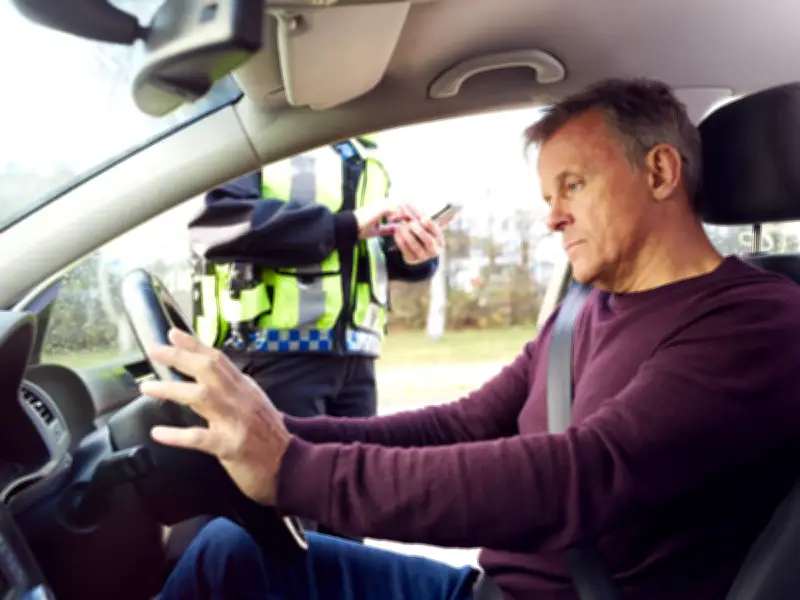
More than half of British drivers wrongly believe their fully comprehensive car insurance allows them to drive other people’s vehicles, despite the fact that many policies no longer include this cover as standard. New research from leading short-term car insurance specialists Dayinsure reveals that 51% of UK motorists think fully comprehensive insurance automatically permits them to drive someone else’s car.
Warning from Insurance Experts
Insurance experts are warning that this common misconception could leave drivers unknowingly uninsured, risking financial penalties, points on their licence, and potentially their car being seized. The warning comes as data from the Motor Insurers’ Bureau (MIB) revealed that 160,000 uninsured vehicles were removed from UK roads last year, while an estimated 300,000 uninsured vehicles are still being driven across the country today.
Many drivers still believe that fully comprehensive insurance automatically includes “Driving Other Cars” (DOC) cover, which historically allowed policyholders to drive another person’s vehicle in certain circumstances. However, over the past decade, many insurers have either removed the benefit entirely or significantly restricted it. Motorists now often need a specific DOC extension included within their policy or must take out short-term insurance to be legally covered. Even where DOC cover exists, it is typically limited to third-party only protection and subject to strict eligibility criteria.
History of DOC Cover Changes
Norwich Union, RAC, and Asda were among the first to start phasing out DOC cover as standard in 2005.
Chris Bibby, CEO of Dayinsure, said: “One of the biggest insurance myths still circulating today is that fully comprehensive cover allows you to drive any car. For many drivers, that simply isn’t true anymore. Years ago, Driving Other Cars cover was much more common on comprehensive policies, which is why so many motorists still assume they’re protected. The reality is that insurers have gradually reduced or removed this benefit, meaning drivers who make assumptions could find themselves uninsured.
“What’s particularly worrying is that many people only discover they aren’t covered after they’ve been stopped by police or been involved in an accident. Before borrowing a friend or family member’s vehicle, drivers should always check their insurance certificate and policy wording carefully. If Driving Other Cars cover isn’t specifically listed, there’s a good chance you’re not insured to drive that vehicle.”
Common Misconceptions About Driving Other Cars
Myth: Fully comprehensive insurance means you can drive any car
Not necessarily. Most comprehensive policies only cover the vehicle named on the policy, unless a specific Driving Other Cars extension is included.
Myth: If the car is insured, anyone can drive it
Wrong. The vehicle having insurance does not automatically cover every driver. The person behind the wheel must also be insured to drive it.
Myth: Driving Other Cars cover gives the same protection as comprehensive insurance
Even where DOC cover exists, it is usually third-party only, meaning damage to the borrowed vehicle may not be covered.
Myth: Drivers over 25 automatically get DOC cover
Many insurers no longer provide it automatically, regardless of age. Drivers should always check their policy documents.




