
The US Environmental Protection Agency (EPA) has proposed relaxing limits on toxic wastewater discharges from coal-fired power plants, arguing that a 2024 rule is too costly amid rising energy demand. The move is the latest by the Trump administration to ease regulations on coal power and boost fossil fuels to support AI data centres.
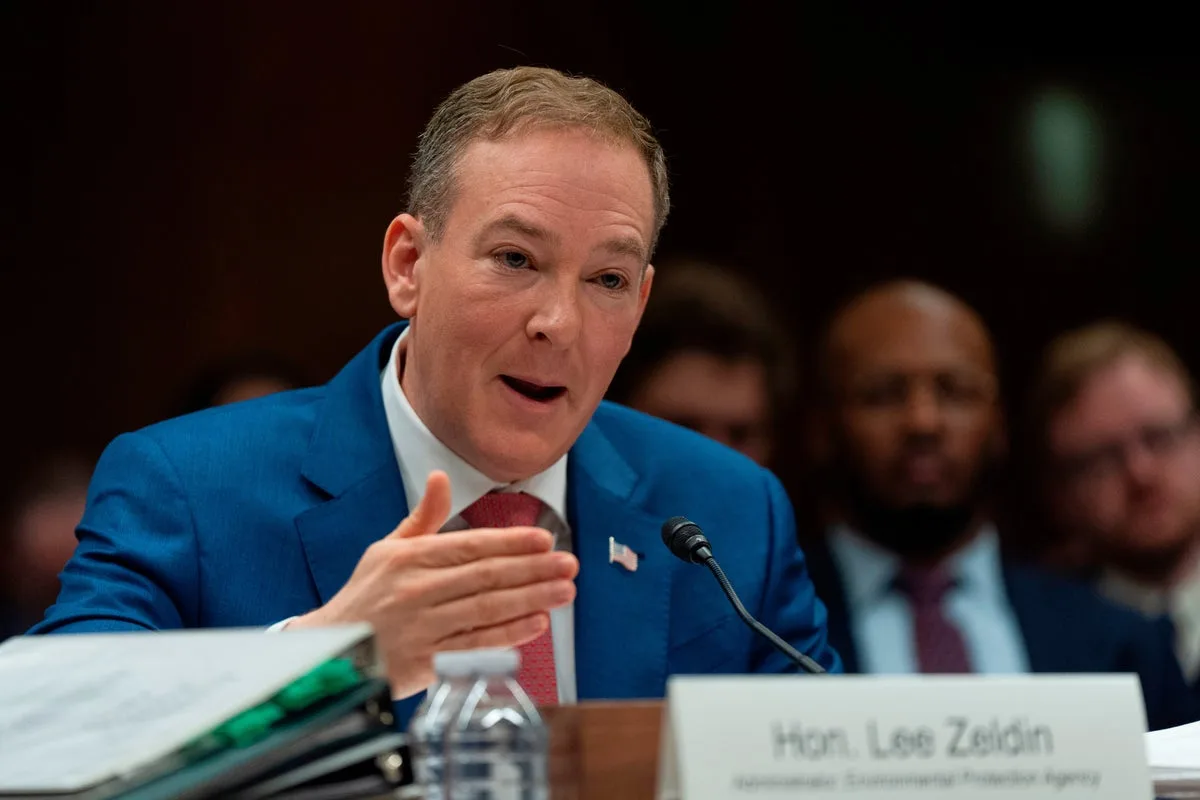
EPA Administrator Lee Zeldin said the change is needed to make electricity more affordable and reliable. “The AI and data centre revolution is creating an electricity and baseload power demand that cannot be met under the overly restrictive policies of past administrations,” he stated.
The 2024 rule required power plants to clean coal ash and heavy metals like mercury, arsenic and selenium from wastewater before discharge. The EPA now says that rule misjudged costs and effectiveness, and would reduce power costs by up to $1.1bn annually if finalised.
Environmental groups condemned the proposal. Earthjustice attorney Thom Cmar said it “would allow coal power plants to avoid cleaning up contamination that threatens our drinking water sources.” The group noted that coal plants are among the largest sources of toxic pollutants in US waterways.
The EPA said it remains committed to protecting water through “common-sense and workable limits” and would replace “one-size-fits-all limits” with “case-by-case, data-driven discharge limits.” The 2024 rule had estimated public health benefits of $3.2bn per year and a minimal impact on household electricity bills.




