
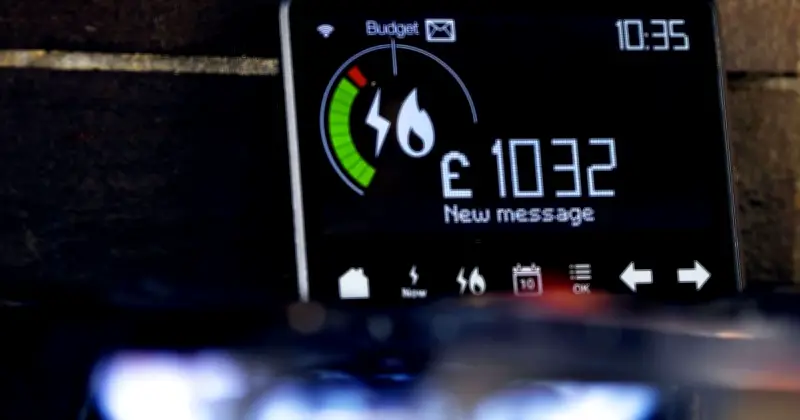
Energy bills could rise by 25% from January, adding £430 to the typical annual bill, according to the latest forecasts. The increase comes despite a VAT cut on electricity introduced by Andy Burnham, which remains in effect until March.
Currently, gas and electricity bills are set at £1,723 on the Ofgem price cap. A 25% increase would take the typical annual bill to £2,153. The price cap applies to unit rates, not the total bill, so households using more than the average will pay more.
Martin Lewis warns of 'sky high' rise
Money expert Martin Lewis broke the news of the staggering rise, explaining why it is set to increase so much. Posting on X, he said: “My heart just sank when I saw the latest January price cap prediction, averaged over three analysts. Up 25%!
“It wasn't unexpected, wholesale energy costs have been sky high this week, but still! We're now eight weeks through the 13-week period it is averaged over, so its firming up.”
The price cap only applies to households without a fixed deal, many of which are still lower than the current price cap and will be significantly lower than the January price cap. Lewis urged anyone not currently fixed to use a price comparison website and secure a deal as soon as possible.
Market Stabilisation Charge explained
Lewis is also calling on his followers to pressure Ofgem over a planned change that could add even more to energy bills in future. Called the Market Stabilisation Charge, the change would require energy firms to pay compensation to a previous supplier when a customer switches to a different supplier. It is designed to protect energy firms’ profits when a customer switches to a new, cheaper fix.
Lewis explained: "In a nutshell, it means if wholesale energy prices drop sharply, the cheap fixes and switcher’s deals offered will be a lot more expensive, in order to protect energy firms’ profits. That’s because any firm taking on a new customer, including on a cheap fix or other specialist tariff, will have to pay compensation to that customer’s old supplier, if they switch."
He added: "It's basically a form of switching penalty. While technically this is a consultation, it’s one of those where Ofgem has made up its mind, but is required to consult - it will almost certainly happen."
The rule change could happen as soon as November.
Impact on customers
Lewis illustrated the potential impact with an example: if wholesale energy in the price cap costs £1,000 (a made-up number to keep it simple), a drop to £900 would trigger no Market Stabilisation Charge. If prices drop to £800, the customer gets the first £100 drop, but 85% of the next £100 (£85) goes to the old supplier.
He said: "So almost certainly the new firm will make you pay the difference, meaning the tariff will be up to £85 more than it would otherwise have been." He added: "In other words, the new supplier can’t pass a chunk of the saving from lower wholesale rates on to you, because it has to hand much of it to your old supplier."
Lewis concluded: "I don’t like it. This is a ‘Market Stabilisation Charge’ but the supplier market is pretty stable, and I doubt we are at the domino risk of suppliers going bust in the way they did in the early twenties. A good few energy firms have made large profits since then, and protecting them over winter by effectively dampening competition because it’s ‘not their fault’ feels raw."




