
Quentin Webb, now 66, is celebrating 20 years since being diagnosed with advanced kidney cancer, after pioneering treatment at Manchester's The Christie helped put him into remission. He was given just eight to 12 months to live when doctors found a tumour weighing 3.5lbs (1.5kg) on his left kidney in October 2006, with the cancer already spread to his lungs.
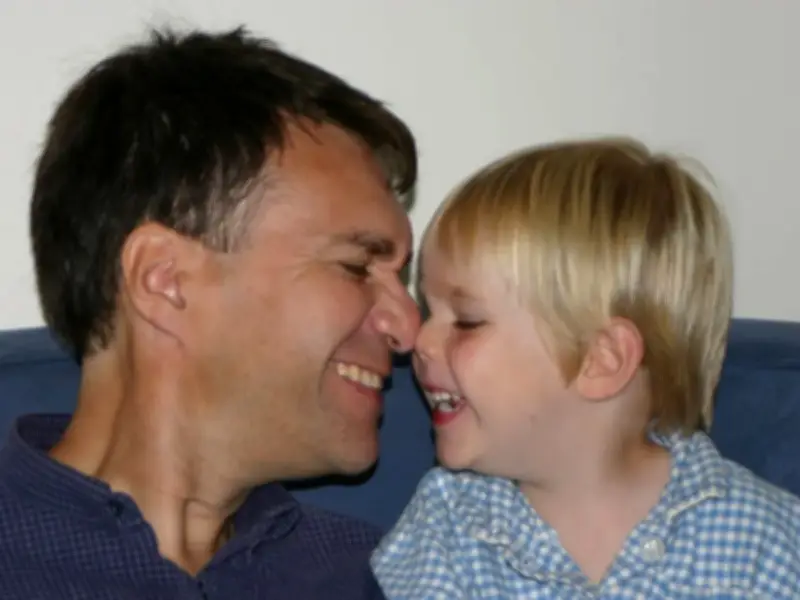
His son Oakley was just two years old at the time. After receiving an early form of immunotherapy at The Christie NHS Foundation Trust, Quentin has survived against the odds and enjoyed two more decades with his family. He lives with wife Helen, 61, in Rickmansworth, Hertfordshire.
Relief and shock at diagnosis
Quentin had always been fit and active, enjoying sailing and climbing, but began experiencing symptoms in September 2005, including tiredness, weight loss and an enlarged testicle. At first, neither he nor Helen suspected anything serious, attributing his exhaustion to everyday pressures until his symptoms became impossible to ignore.
“You just think, ‘Oh, bless, he’s getting older’, and it’s only when he’s literally falling asleep in his dinner that you think, ‘This is not normal’,” Helen said. In April 2006, the couple paid privately for a second opinion, but Quentin was diagnosed with a varicocele, an enlargement of the veins in the scrotum. Helen later discovered the problem was linked to the enormous tumour inside his body.
After speaking to Helen's sister, who is a doctor, the couple pushed for blood tests, including urea and electrolytes. Those investigations led to Quentin being diagnosed with kidney cancer in October 2006. While Helen was “tearful”, Quentin felt relieved to finally have an explanation, but that relief turned to shock when they learned the cancer had spread to his lungs.
Pioneering treatment at The Christie
Quentin underwent surgery to remove the tumour, his left kidney and his left adrenal gland. Helen said surgeons had to “break his ribs to get (the tumour) out”. But because the cancer had already spread, conventional treatment offered little. “They basically said, ‘There’s nothing we can do because (the cancer) doesn’t respond to chemo and radiotherapy’,” Helen said.
In June 2007, the couple travelled to the British Virgin Islands for what Quentin regarded as his “bucket list trip of a lifetime”. Helen, however, kept searching for a way to save her husband's life and came across Interleukin-2, known as IL-2, an early form of immunotherapy used in the United States and Canada.
They discovered that clinicians at The Christie in Manchester were pioneering high-dose IL-2 therapy, with the hospital one of only a small number of centres in Europe offering the treatment at the time. Quentin began treatment in July 2007, hoping it would stop the cancer that had spread throughout his lungs.
Against all odds
“There were hundreds of cancer spots scattered through my lungs… and my thinking was, ‘This is my only chance’, because it wasn’t a given that it was going to fix me,” Quentin said. The treatment continued until August 2008 and brought difficult side effects, including skin that began to flake. Quentin later underwent surgery on both lungs to remove as many remaining cancerous spots as possible.
In 2015, doctors discovered cancer in Quentin's right adrenal gland, which was removed, leaving him with Addison's disease and the need for steroid medication for life. Despite that setback, the IL-2 treatment ultimately helped put him into remission. Twenty years on, he still enjoys sailing, climbing and scouting, and the couple have watched Oakley progress through school and university.
Quentin continues to attend check-ups twice a year at The Christie, helping support ongoing research. The couple have also raised £50,000 for The Christie Charity, which funds projects aimed at improving cancer care and supporting research. The charity is currently fundraising for a world-class scanning centre at The Christie in Withington, due to open in 2030.




