
The Department for Transport has issued an update to Parliament on the two-tier system for Personal Independence Payment (PIP) claimants seeking vehicle tax reductions, highlighting that some individuals face more bureaucratic hurdles than others.
Current System Creates Inequality
Under the existing rules, PIP claimants on the enhanced rate mobility component receive free vehicle tax and can renew online automatically. However, those on the standard rate, who qualify for a 50% reduction, must complete a laborious annual renewal process involving V10 forms, visits to Post Offices, and providing DWP award letters each year.
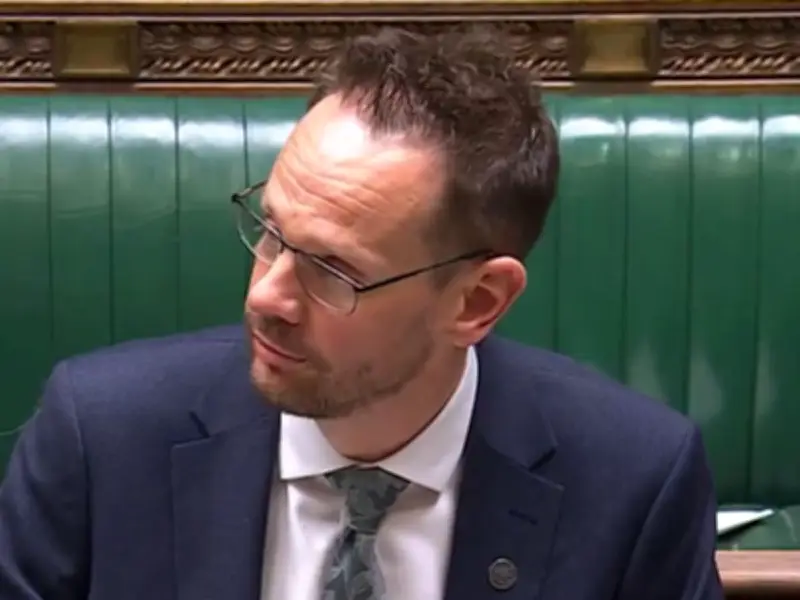
The issue was raised by Liberal Democrat MP Mike Martin, who questioned why disabled people must complete separate DVLA renewals when their eligibility is already reviewed by the DWP.
Government Response and Timeline
Parliamentary Under-Secretary Simon Lightwood acknowledged the disparity in a written response. He stated: "The DVLA will look to develop and introduce a full digital service for customers in receipt of the standard rate of PIP but this work will not start until after the delivery of electric Vehicle Excise Duty changes in 2028."
The Department for Transport has promised improvements but warned of a "sizeable wait" for any changes to occur, leaving standard rate claimants in a prolonged state of inconvenience.
Impact on Claimants
According to the government, the current process places an undue burden on standard rate PIP claimants, who must repeatedly prove their eligibility despite the DWP already assessing their condition annually. The DVLA's planned digital service aims to streamline this, but its delay until after 2028 means no immediate relief.




