The Department for Work and Pensions (DWP) has been writing to thousands of people with outstanding debts, urging them to make contact and settle what they owe before new enforcement powers take effect in October 2026.
Under the Public Authorities (Fraud, Error and Recovery) Act 2025, the DWP will soon be able to approach a person's bank directly to recover money owed without requiring a court order. In the most severe cases, it can request a court to remove the driving licence of persistent non-payers.
Implementation Timeline and Warnings
Implementation of the powers will be progressively rolled out from October 2026, just six weeks away. The department is coming under increasing scrutiny as the deadline approaches. James McMurdock (Independent, South Basildon and East Thurrock) put a series of questions to the department before Parliament entered recess.
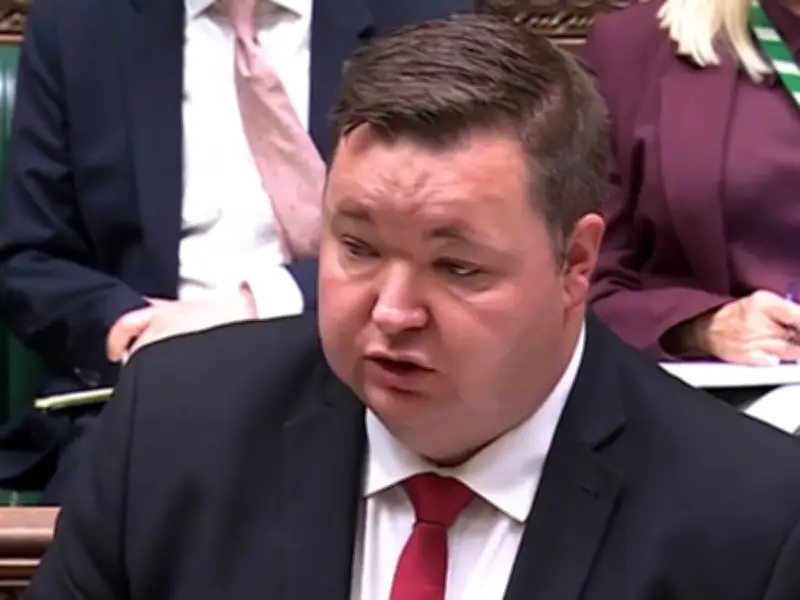
One question enquired how many people are expected to receive warning letters before enforcement commences in October 2026. Andrew Western, minister of state for the department, responded by addressing the 'last resort' nature of the powers.
Minister Confirms 'Last Resort' Approach
Western said: "New debt recovery powers agreed by Parliament in the Public Authorities (Fraud, Error and Recovery) Act are designed to increase fairness and to more effectively and efficiently be able to recover debt from individuals who are not in receipt of benefit or suitable PAYE employment.
"These powers will encourage voluntary repayment of debt owed to DWP from those no longer in receipt of benefit or in suitable PAYE employment, as well as ensuring that there is recourse for those who have the means to repay but do not."
He added: "In the most serious cases, and where the outstanding debt balance is at least £1,000, the Debt Recovery Measure allows DWP to apply to the Magistrates court for consideration of a Disqualification from Driving Order. These powers will be used as a last resort where all other attempts to secure repayment, including recovery directly from a bank account have not been possible."
Impact Assessments and Data Publication
A court cannot grant a disqualification order where the individual has an essential need to drive, and initially any disqualification will be suspended providing the individual maintains the repayment terms set by the court. As part of the passage of the Act, detailed Impact Assessments were published and are available online.
Western said: "The Impact Assessment contains our estimate of the scale of our debtors and debt stock as well as the cost of implementing the measures along with potential savings. We expect to publish data relating to these measures through our usual routeways for example our Annual Report and Accounts."
Additional Powers Under the PAFER Act
Speaking about the forthcoming new powers in late June, the DWP said that anyone no longer in receipt of benefits who owes money to DWP and receives the new letter should take action immediately. These powers can be avoided entirely by contacting the DWP. Where it would be beneficial, staff can also direct individuals towards free debt advice and support services.
Officials say that, previously, the DWP had limited options to pursue people who were no longer claiming benefits or in PAYE employment, meaning some who had the means to repay were simply opting not to. That loophole is now set to be closed.
Under the rules, courts can only impose a driving ban where the debt stands at a minimum of £1,000, and no one can be disqualified if they have an essential requirement for their licence, for instance employment that depends on driving or caring responsibilities. Any ban is initially suspended provided repayment terms are adhered to.
Additional powers under the PAFER Act, which will become operational in due course, include the Eligibility Verification Measure, which will enable DWP to request limited data held by banks and financial institutions to help identify incorrect benefit payments. Officials say this will ensure claimants are paid accurately and allow errors to be identified and resolved sooner.
DWP bosses say the plan forms part of the Government's commitment to savings of £14.6 billion over the next five years from fraud, error and debt activity, which includes investment to deploy up to 3,000 additional staff and strengthening data, analytics and investigative capability.
Western said as the powers were unveiled: "Hardworking taxpayers deserve a system that pursues those who deliberately dodge their debts, and that is exactly what these new powers deliver. To anyone with an outstanding debt - our door is open and DWP will always work with you to find an affordable way to repay. But for those who can pay and won't - we're going further than ever before to claw back cash and crack down on fraud."
Fellow minister Satvir Kaur said: "Fraud against the public sector and unrecovered debt deny our vital frontline services of the funding they deserve. Under these new powers in the PAFER Act, this Government will deliver on its promise to protect hardworking taxpayers and clamp down on those who try to cheat the system."