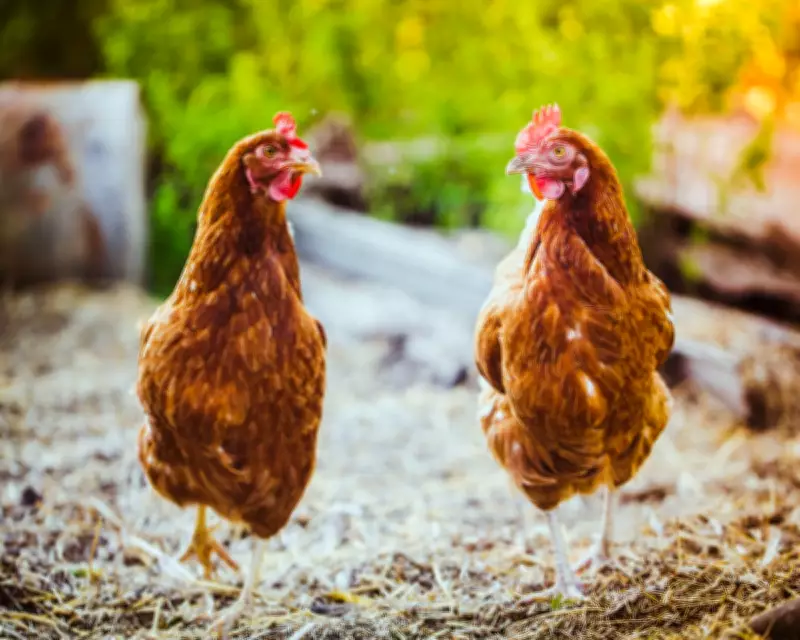
Government officials have actively considered how to respond to US pressure to accept imports of 'chemical-washed chicken' and other processed products, as reported on 23 April. This issue matters to the public, for whom chlorinated chicken has become a test case for whether UK standards are lowered for commercial and political reasons.
Risks to Food Safety
Erik Millstone, emeritus professor of science policy at the University of Sussex, and Tim Lang, professor emeritus of food policy at City St George's, University of London, state: 'We agree that if the UK accepted imports from the US of such products, our food supply would be significantly less safe.' The EU and UK have actively resisted such demands, arguing that washing meat with chlorine is not a solution to unhygienic meat.
Evidence from Studies
A 2018 study found that applying chlorinated water provides illusory reassurance. The treatment is not an effective disinfectant; it merely blocks the customary bacterial culture test by which the presence of harmful bacteria should be detectable. This evidence helps explain why rates of microbiological food poisoning are significantly higher in the US than in the UK and the EU.

It would be reckless for a UK government to relax prevailing restrictions on imports of US food products unless the US authorities can demonstrate that their products are at least as safe as those achieved by UK and EU producers.
Personal Account of Campylobacter
A reader shares her experience: 'Please do not dismiss campylobacter as a mere bacteria that can cause diarrhoea. I contracted it when I was one month pregnant; it did not cause diarrhoea but rather long-lasting severe lower abdominal pain. When eventually diagnosed, I was put on a high dose of an unpleasant antibiotic, leaving me with a tinny taste and no appetite for weeks. I was over five months pregnant before I began to feel remotely normal.'
Have an opinion on anything you've read in the Guardian today? Please email us your letter and it will be considered for publication in our letters section.