
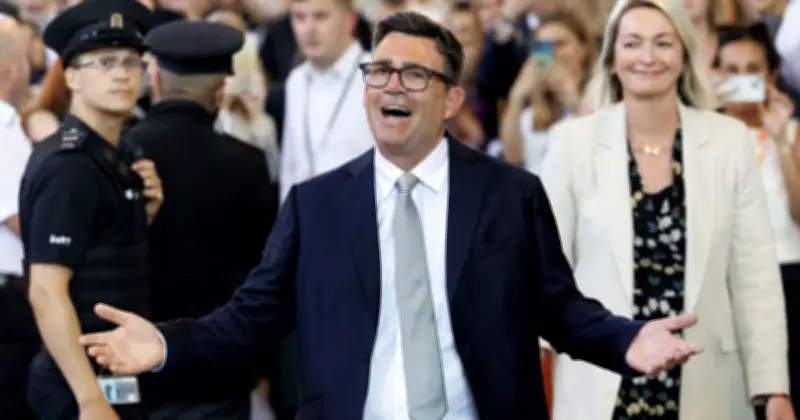
Andy Burnham has unveiled a controversial high street tax plan that could cost £880 million annually, according to new analysis. The proposal, aimed at revitalising Britain's struggling high streets, would increase property taxes on large warehouses, impacting online giants like Amazon.
Details of the Tax Plan
Under the plan, the threshold for total small business rates relief in England would rise by 50%, exempting more than 140,000 small commercial properties from business rates entirely. The upper threshold for tapered relief would also increase from £15,000 to £21,000.
Speaking on LBC, Burnham said there is “room for movement on tax” within Labour’s manifesto, while maintaining his commitment to the party’s fiscal rules.
Cost and Funding Concerns
Projections from global tax specialists Ryan, based on government tax records, indicate that the suggested adjustments would decrease business rate obligations by approximately £880m.
Alex Probyn, practice leader for property tax at Ryan, supported the policy objective but questioned funding: “Larger commercial properties are already contributing more through the existing business rates surtax to fund lower liabilities for retail, hospitality and leisure. The obvious question is whether they are now going to be asked to contribute even more.”
Context of High Street Decline
The British high street has been deteriorating for years, with 22 businesses announcing closures or administrations so far this year, including River Island, Poundland, and Quiz. Bosses cite rising operational and employment costs as key factors.
Business rates reforms enacted this April implemented a 2.8p surcharge on properties with rateable values exceeding £500,000. Despite this, many smaller hospitality, retail, and leisure businesses face substantial rate hikes over the next three years.
Burnham argues that online giants must provide greater financial support to sustain bricks-and-mortar retailers and rejuvenate high streets.




