
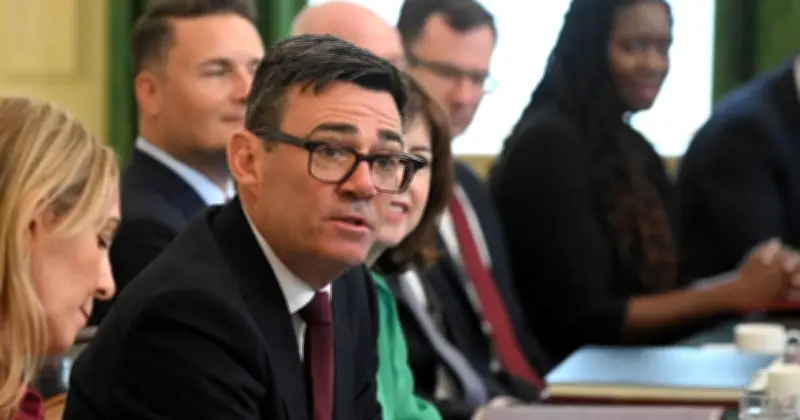
Andy Burnham has announced a major VAT cut on domestic electricity, effective from October 1, which will make charging electric vehicles on driveways cheaper. However, BBC finance expert Paul Lewis has highlighted that the saving may be less generous than claimed and the cut is only funded for six months.
The government says scrapping VAT on electricity bills will save households around £45 a year, funded by cancelling Sir Keir Starmer's digital ID project, estimated to cost £600 million annually over three years. For EV drivers on Octopus's Intelligent Octopus Go tariff, charging at 8p per kWh at night currently costs 1.6p per mile. Removing VAT could drop this to 1.52p per mile if savings are passed on.
Paul Lewis challenges savings figures
Paul Lewis from BBC Radio 4's Money Box program said on X that the £45 saving is 'exaggerated' and the VAT cut is only scheduled to last six months, though the quoted savings are for 12 months. He explained: 'Put another way, scrapping 5% VAT on domestic electricity bills cutting prices by 4.76% will knock about £10 a year off the standing charge and about 1.25p off each unit of electricity used. Boiling a kettle 3x a day for a year may save users maybe £3.64 a year (probably less).'
Inequality concerns raised
Tanya Sinclair, chief executive of Electric Vehicles UK, said the announcement 'entrenches one of the biggest inequalities in the UK's EV transition.' She noted that drivers without off-street parking pay 20% VAT when charging in public, while those with driveways pay none. Siobhan Doyle, consumer writer at Carwow, said eliminating VAT on domestic electricity 'highlights the growing divide in EV ownership' and called for equalising VAT on public and home charging.
RAC head of policy Simon Williams urged the Prime Minister to consider lowering VAT on public EV charging to help those without driveways switch to electric motoring more affordably.
Previous grant changes
Earlier in 2026, a rule change allowed renters and flat owners to apply for a grant uplifted from £350 to £500 for EV charger installation. The government said it would typically cover half the cost of home installation, and for those without driveways, it could go towards cross-pavement chargers. Keir Mather, minister for decarbonisation, said in February: 'We think it will make a big difference... installing those charge points unlocks those massive cost savings that you can get through home charging of around 2p a mile.'




