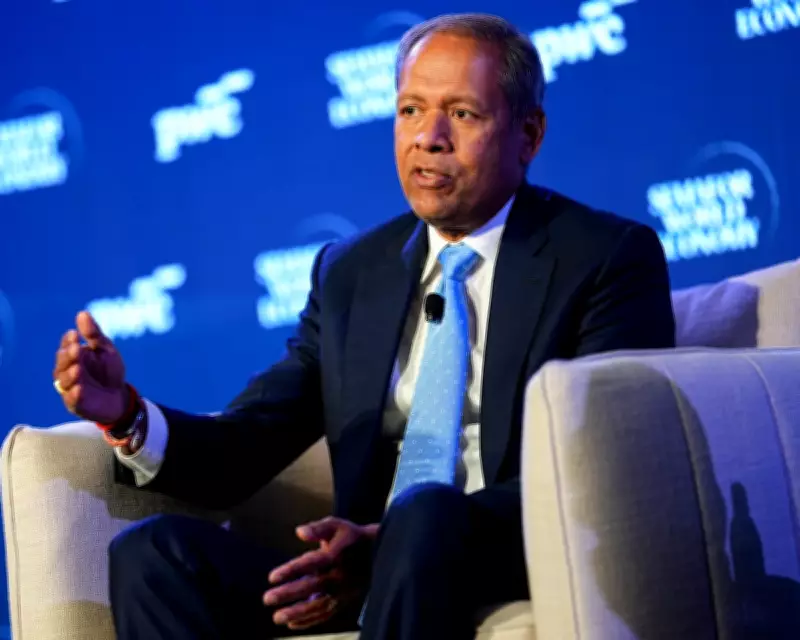
Barclays chief executive CS Venkatakrishnan has pledged to tighten lending practices after the bank suffered two high-profile losses in the shadow banking sector within six months. The latest blow came from a £228 million impairment charge linked to Market Financial Solutions (MFS), a UK mortgage firm that collapsed in February amid fraud allegations. Last year, Barclays took a £110 million hit from US sub-prime auto lender Tricolor, also involving fraud claims.
Questions Over Past Vigilance
Venkatakrishnan said the bank is now “constraining lending to certain structured finance counterparties who operate more vulnerable business models and cannot convince us of the quality and independence of their financial controls.” However, critics question why such precautions were not taken earlier, especially with firms that had large mortgage exposures but small audit firms. The comments suggest a case of shutting the stable door after the horse has bolted.
Impact on Barclays’ Performance
Despite these setbacks, Barclays reported a 3% rise in pre-tax profits to £2.8 billion for the first quarter of 2026. The bank maintained its £500 million share buyback programme, part of a plan to return significant capital to shareholders. Overall credit impairment charges rose to £823 million from £643 million a year ago, but this is far from a dramatic deterioration in bad debts.

Analysts note that while the two incidents are embarrassing, they are not game-changing for a bank of Barclays’ size. Banks inherently take risks, and alleged frauds occur. The current credit cycle does not appear to be heading for a crisis based on these isolated cases.
Broader Shadow Banking Concerns
Nevertheless, the episodes highlight ongoing worries about shadow banking and private credit, which are complex, opaque, and heavily leveraged. Central bankers struggle to monitor unregulated activities. A broader crisis could emerge if private credit problems multiply or merge with lending stresses from geopolitical conflicts, such as the Middle East.
For now, Venkatakrishnan stated, “We do not currently see any credit weakness in the UK or in our US consumer business, nor in corporate lending.” The outlook remains cautious, but the starting position is not terrible provided no further similar issues arise.