
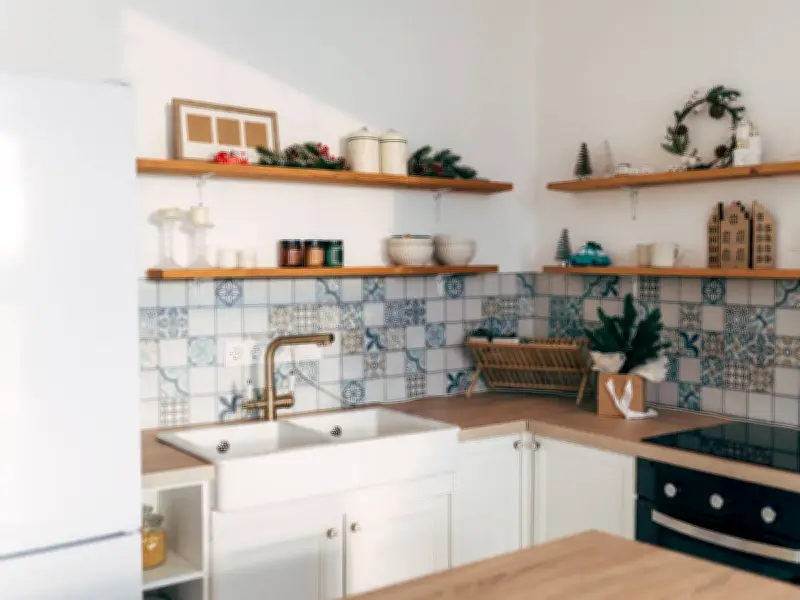
According to experts at Painted Kitchen, the difference between a kitchen that looks "cheap" and one that appears "quietly expensive" often comes down to design choices rather than budget. Some high-budget kitchens end up "strangely underwhelming," while budget-friendly renovations can achieve a polished, high-end look by avoiding key pitfalls.
Inconsistent Hardware
Handles and knobs are used constantly, making them a focal point. When styles clash or fittings feel flimsy, the entire kitchen can feel low-quality. Experts advise prioritizing consistent hardware throughout the space to maintain a cohesive, high-end appearance.
Overly Glossy Finishes
High-reflective finishes may look striking in showrooms but under everyday lighting, they highlight fingerprints, reflections, and minor imperfections. The experts recommend opting for softer paint finishes for a more durable and sophisticated look over time.
Too Many Materials
Combining multiple cabinet colors, worktop materials, and metal finishes can create visual overload, making the kitchen feel "chaotic" rather than "sophisticated." Restricting the palette to two or three core materials is strongly advised to achieve a harmonious design.
Poor Lighting
Lighting is crucial in the kitchen. Harsh or badly positioned lighting can make even a well-designed kitchen appear incomplete. Layered lighting—combining ambient, task, and accent lights—creates a more relaxed and harmonious outcome.
Cheap-Looking Details
The experts noted: "Many of the design mistakes that make kitchens feel inexpensive are actually planning issues rather than budget issues." Handles that clash with cabinet style, mismatched finishes, or awkward proportions often result from late-stage decisions. Thoughtful planning early in the process prevents these problems before installation begins.




