
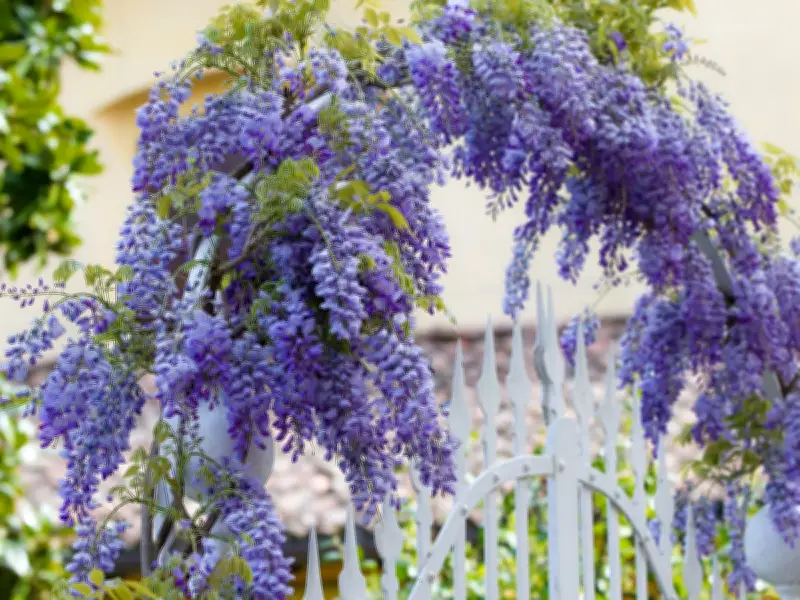
Experts have warned that common garden plants like wisteria could put homes and insurance cover at risk. Norton Insurance Brokers say thousands are searching for information on damaging plants, from bamboo removal to Japanese knotweed costs and whether ivy or wisteria can damage walls.
Wisteria: A Hidden Risk
Mark Wilkinson, Managing Director at Norton Insurance Brokers, said: “We recommend that homeowners identify fast-spreading plants before they become established, keep climbing plants away from rooflines, gutters, vents, air bricks and damaged brickwork, check drains and boundary walls for signs of root or plant growth, act early if plants are spreading towards a neighbour’s property, and keep records of maintenance, pruning, removal work and professional advice.”
He added: “The key message for homeowners is that plant-related damage is often treated differently from sudden, accidental damage. If a plant has been allowed to spread over time, an insurer may argue that the issue could have been prevented through maintenance. Regular checks, early removal and clear communication with your insurer can make a significant difference.”
A Norton expert explained: “While not much of an obvious intruder, and certainly one of the most stunning plants you can have in your garden, Wisteria poses some hidden risks that many homeowners don’t realise until it’s too late. Known for its elegant, cascading blooms, wisteria can be surprisingly aggressive behind the scenes. It grows quickly and develops thick, woody stems that twist around anything in their path. As these stems mature, they exert pressure on walls, gutters, and rooflines, gradually widening gaps and creating potential entry points for water and frost damage. When allowed to spread unchecked, wisteria can even dislodge roof tiles or gutters. And if planted too close to a property, its root system may also begin to interfere with underground drainage or shallow foundations.”
Although wisteria isn’t restricted by law, any damage it causes is typically considered a preventable maintenance issue. Most standard insurance policies will not cover claims related to overgrown climbing plants, and insurers may reject claims on grounds of negligence if the plant was allowed to roam freely without regular pruning.
Bamboo: Rapid Spreader
Bamboo is often planted for privacy but can become uncontrollable. Its underground roots spread aggressively, lifting patio slabs, breaking through driveways, and even surfacing through floorboards. Bamboo roots can exploit cracks and gaps, block drains, and destabilise garden walls. While not specifically excluded from all policies, insurers class damage from bamboo as gradual and preventable, potentially rejecting claims. If bamboo encroaches on a neighbour’s property, the homeowner could face a civil nuisance claim.
Japanese Knotweed: Persistent Threat
Japanese knotweed remains the most recognisable plant associated with property risk, especially regarding removal costs, mortgages, and property sales. It can grow through cracks in paving, walls, and drainage systems. If it spreads to neighbouring land, legal and financial issues can arise. Homeowners selling a property may need to disclose known knotweed issues, and buyers, lenders, and insurers will usually want to understand whether a treatment plan is in place.
English Ivy: Deceptively Damaging
English ivy's aerial roots can dig into cracks and mortar joints, widening gaps and dislodging roof tiles or gutters, leading to water ingress or structural strain. Insurers typically see ivy damage as a maintenance issue, not a sudden insurable event. Regular trimming and keeping ivy away from structures is advised. Additionally, ivy provides shelter for nesting birds; under the Wildlife and Countryside Act 1981, it’s illegal to damage or destroy any active wild bird’s nest. Always check for nesting activity before removal, especially in spring and summer.
Tall Trees: Subsidence Risk
Many insurers are wary of trees over five metres tall growing within seven metres of a property. Large trees draw moisture from the ground, causing soil shrinkage and subsidence, especially on clay-rich soils. Their roots can infiltrate drains, crack pipes, or disturb foundations. Removing a large tree can also cause ground heave or structural instability. Homeowners should inform their insurer of tall trees near the property; failure to disclose could invalidate a policy. Under the High Hedges provisions of the Anti-social Behaviour Act 2003, homeowners may be compelled to cut back trees or hedges that block light or significantly impact a neighbour’s enjoyment of their property.
Jasmine: Fragrant but Risky
Jasmine can form a thick green mat that masks vulnerabilities, leading to damp problems in older buildings. It can obstruct gutters, downpipes, vents, or air bricks, reducing airflow and creating conditions for water ingress and mould. Insurers usually view damage from jasmine as avoidable through routine maintenance, and claims involving damp or blocked drainage may be declined if plant overgrowth is a factor. Keep jasmine well-trimmed and away from ventilation points or weather-exposed areas.




