
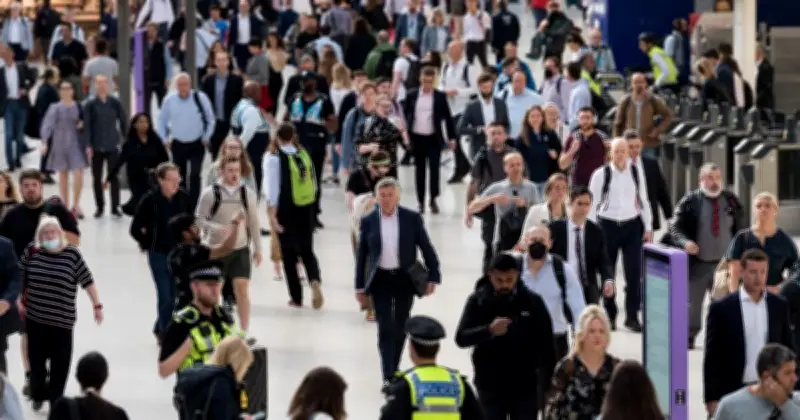
The UK government has announced a £33.4 million investment to install taller anti-jump ticket barriers at railway stations across England, targeting the estimated £400 million lost to fare evasion each year. The new barriers are designed to prevent passengers from vaulting over standard-height gates, making it significantly harder to travel without a valid ticket.
First Phase Targets High-Evasion Stations
The initial rollout will focus on stations where ticket evasion is most prevalent, including Liverpool Lime Street, Manchester Piccadilly, Stafford, Stevenage, Elephant and Castle, Worthing, Nuneaton, and Tamworth. A second group of stations—Market Harborough, Witham, Rayleigh, Ware, Hertford East, Manningtree, Royston, Gipsy Hill, and Worcester Foregate Street—will also receive new barriers. Some stations currently without any ticket gates will gain standard waist-high barriers as part of the programme.
Government's Commitment to Fare Compliance
Transport Secretary Heidi Alexander stated: "Fare evasion is a blight on our railways costing up to £400 million a year, which is why we’re stopping fare dodgers who take the system for a free ride in their tracks." She added that non-payment undermines honest passengers and diverts funds from service improvements. The investment is part of broader reforms ahead of the launch of Great British Railways, which aims to create a fairer, more reliable rail network.
Timeline and Technology
The government has allocated £33.4 million for the first stage, with installations beginning in the first half of 2027 and completion expected by mid-2028. The upgraded gates will scan digital tickets, accept traditional paper tickets, and support contactless "tap out" travel where available. Alongside the barriers, ministers plan to expand contactless Pay As You Go travel, test more digital ticketing options, and introduce a new rail app.
Impact on Fare Evasion
The crackdown aims to recover a significant portion of the £400 million lost annually to fare dodging. By making it harder to evade payment, the government hopes to protect revenue that can be reinvested into improving services for paying passengers. The initiative is a key component of the government's strategy to reform the rail network and build passenger trust.




