
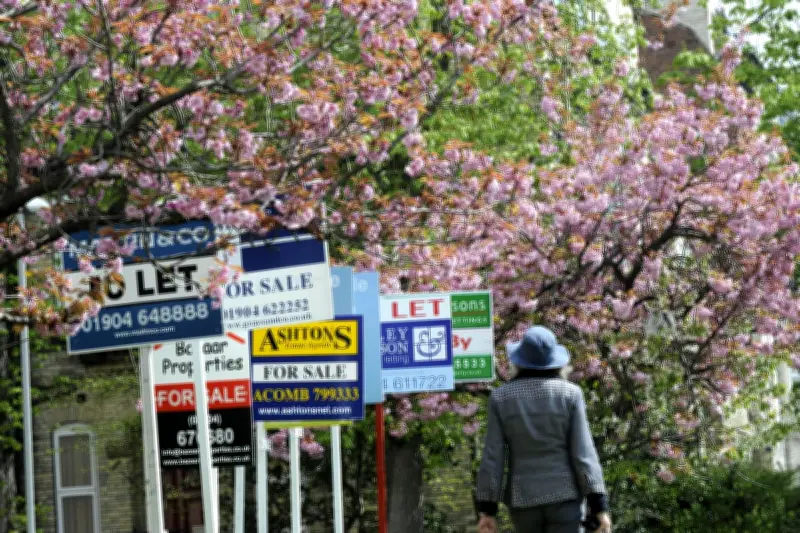
The average UK house price rose 2.7% in the 12 months to May, slowing from a 3.9% annual increase in April, according to the Office for National Statistics (ONS). The typical UK house price in May was £271,000.
Regional variations
Average house prices increased to £292,000 (2.3% annually) in England, £215,000 (4.2%) in Wales, and £196,000 (4.4%) in Scotland. In Northern Ireland, the average price was £198,000 in the first quarter of 2026, a 7.4% annual rise.
Within England, the North East recorded the highest annual house price inflation at 5.9%, while London had the weakest, with prices falling 3.7% year on year – the ninth consecutive month of annual decline in the capital.
Market activity and mortgage rates
Richard Donnell, executive director of research at Zoopla, said: “Political change, the World Cup, a scorching summer and elevated mortgage rates have hit housing market activity this summer.” He noted that Zoopla data shows 20% fewer buyer inquiries and 7% fewer sales agreed than a year ago, but expects activity to pick up in autumn.
The ONS attributed the slowdown to a “base effect” from stamp duty changes in England and Northern Ireland in April 2025. It said: “The annual rate slowed in May 2026 because average UK house prices rose by a smaller amount (0.3%) between April and May 2026 than in the same period a year ago (1.5%).”
Mark Harris, chief executive of SPF Private Clients, said inflation easing to 2.6% is welcome but “renewed tensions in the Middle East mean the inflationary threat has not completely rescinded.” He added that rising swap rates have led lenders to increase mortgage rates.
David Hollingworth of L&C Mortgages said the downward momentum in mortgage rates “has ground to a halt” as funding costs rise, prompting lenders to increase fixed-rate deals. He advised borrowers to consider securing a competitive rate soon, noting that most lenders allow switching to a cheaper deal before completion if rates ease.
Jason Tebb of OnTheMarket said lenders have started raising rates but hopes the Bank of England will hold base rate again. Iain McKenzie of The Guild of Property Professionals stressed that “realistic, evidence-based pricing is essential” as more homes become available. Nathan Emerson of Propertymark called the figures positive, though affordability remains a challenge for first-time buyers.
Karen Noye of Quilter warned buyers not to stretch to the maximum, advising a margin for error. Sarah Coles of AJ Bell said the summer figures “could be a tough read, reflecting loss of confidence and stretched affordability after the start of the Iran war.”




