
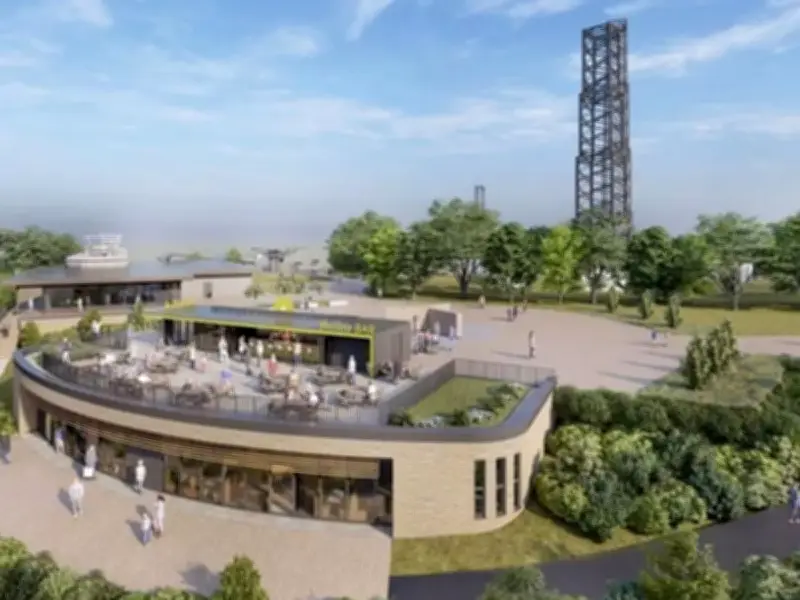
Swansea Council has provided further details about its £10.2 million investment in the Swansea Skyline leisure attraction on Kilvey Hill, revealing that increased land assembly costs and additional road and access work contributed to the higher-than-anticipated funding. The council's cabinet approved the funding at various stages, with conditions, and expects the investment to be repaid through grants and loans to the New Zealand company Skyline Enterprises.
Project Overview and Investment Breakdown
The Swansea Skyline project, which has secured planning approval, will feature a gondola lift from the Hafod-Morfa Copperworks area to the top of Kilvey Hill, downhill karting, a sky swing, walking and mountain biking trails, a restaurant, and a children's playground. Skyline Enterprises, which operates similar attractions globally, first explored Swansea in 2017. The council's investment, approved by cabinet last July, has risen to £10.2 million, with just under £8 million coming from council borrowing. Welsh Government is contributing around £4 million, and Skyline Enterprises is committing nearly £50 million, according to council leader Rob Stewart.
Reasons for Funding Increase
Council leader Rob Stewart explained that the increased financial support was due to higher-than-anticipated land assembly costs, extra road and access work, and the capitalisation of necessary council project management and staffing costs. He stated that the approval followed formal governance processes and was supported by independent professional advice. Ben Houghton, a campaigner who raised concerns about the project, asked about the funding increase in written questions. Stewart's written response clarified the reasons and noted that the council's financial support and land arrangements are governed by legally-binding agreements designed to protect the council's interests.
Repayment and Risk Management
Stewart indicated that advances to Skyline by way of loan are expected to be fully repaid, with future reimbursements partly based on financial performance. When asked about the worst-case scenario for clawing back the investment if the project did not proceed, Stewart said there were too many variables as the project was in its infancy, but there is no suggestion of it not going ahead. He emphasised that further commitments are contingent on the satisfaction of conditions and approvals.
Kilvey Hill Management and Wider Benefits
The council is working with a Kilvey Hill volunteer group on a new management agreement following the return of land previously overseen by Natural Resources Wales. Stewart noted that ongoing management of the hill requires funding for rights of way management, scrub control, fire-break maintenance, and native tree planting. The Skyline project is supporting improvements to tracks, trails, and access, including funding for a dedicated Kilvey Hill ranger post. Separate capital funding is being used for physical improvements outside the Skyline scheme. Skyline Enterprises will manage and maintain all paths within its lease area.
Copperworks Upgrades and Timeline
Stewart confirmed that £20 million-plus of funding earmarked for upgrades of the nearby Hafod-Morfa Copperworks area is not linked to Skyline Swansea, and no changes in scope have been made. Construction will follow enabling works, with tree planting and meadow and wetland habitat creation. The attraction is expected to open in late 2028.




