
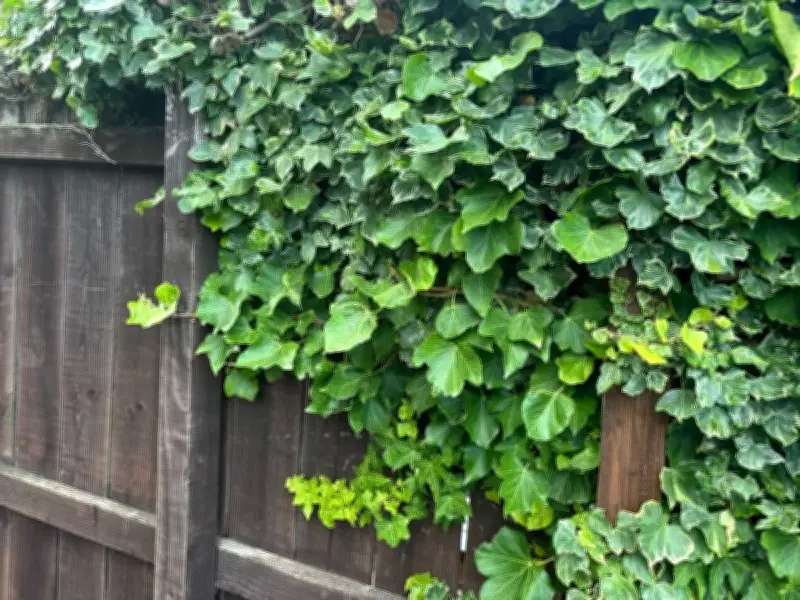
Homeowners have the right to trim ivy that overhangs from a neighbour's property, but there are strict rules to follow, according to the Royal Horticultural Society (RHS). The plant, which can grow up to 30 metres, is a vigorous evergreen climber that can cause problems on fences and buildings.
Benefits of ivy
Ivy is valued for adding year-round interest to house walls and is part of the charm of many English country houses. Studies have found it cools buildings by more than 5°C in summer and acts as insulation in winter. Its dense foliage traps airborne pollutants and attenuates noise, and it provides habitat and food for wildlife, including nesting sites for birds and a pollen source for insects.
Legal rights on trimming
The RHS advises that a climber belongs to the owner of the soil it is growing in, not the building it is growing up. However, the property owner can remove it from the wall without permission, provided they do not dig it up or destroy it. Overhanging branches or leaves can be cut off, but without trespassing onto the neighbour's property. Trees covered by a Tree Preservation Order or in a Conservation Area require prior consent from the local authority.
No permission is needed for trimming, as it is classed as 'abating a nuisance'. Permission is only required if you need access to the neighbour's land. Cuttings should be offered back to the plant owner; if refused, you are responsible for disposing of them and cannot throw them over the boundary.
Damage and liability
Ivy removal specialists Trusted Cleanerz LTD say neighbours are legally responsible for vegetation growing from their land, including ivy, if it spreads onto your property. You can trim or remove ivy on your side but cannot cross into their garden, damage their plants, or throw cuttings back. If thick vines have attached deeply to brickwork, do not rip them off to avoid causing more harm.
If the neighbour's ivy has caused damage such as cracked render, damaged brickwork, damp patches, gutter blockages, or roof tile displacement, they may be legally liable for repairs. The firm suggests resolving issues with a conversation, then a polite written request with photos and a plan. If that fails, local mediation services offer low-cost or free programs. Document the damage and get a written assessment from an ivy removal professional before escalating to legal advice. Most situations resolve without legal involvement.




