

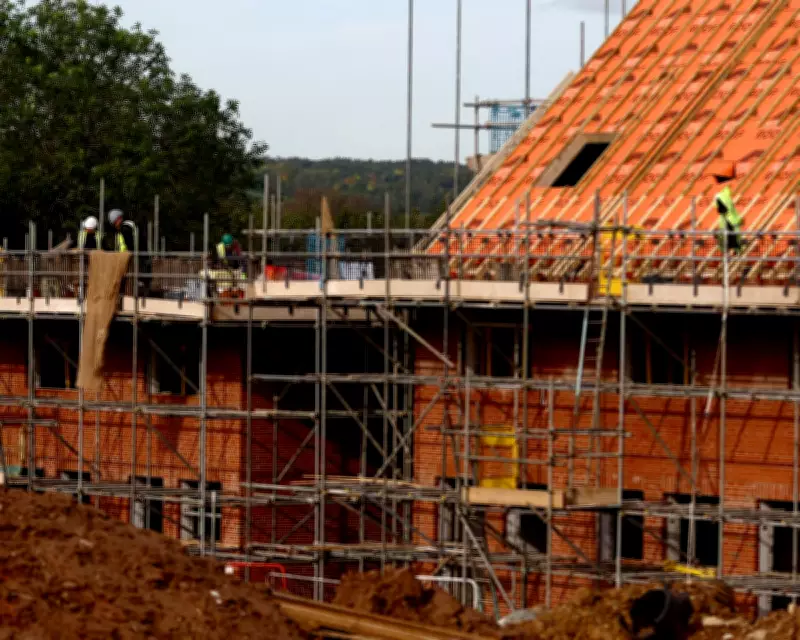
Persimmon, a prominent British housebuilder, has issued a stark warning that the ongoing conflict with Iran could significantly undermine homebuyer sentiment in the United Kingdom. This caution comes amidst escalating concerns over persistent high interest rates and the potential for inflation to surge due to geopolitical tensions.
Monitoring Market Impacts Amid Uncertainty
In a recent statement, Persimmon revealed it is closely observing the potential effects of the Iran conflict on its markets through 2026. The company highlighted that consumer sentiment is particularly vulnerable during periods of increased financial instability. Persimmon noted that it has not factored in any reductions in mortgage rates or the implementation of government stimulus measures, emphasizing that the most critical short-term variable is how customer sentiment responds to heightened uncertainty.
Construction Targets and Economic Assumptions
The FTSE 100-listed builder projects it will complete between 12,000 and 12,500 houses this year, marking a slight increase from 2025. However, this forecast is contingent on the assumption that the Iran conflict and its repercussions will be brief. Persimmon's outlook underscores the fragile balance between construction progress and external economic pressures.

Rising Mortgage Rates and Inflation Fears
Major financial institutions, including HSBC, Nationwide, and Coventry, have already begun raising rates on fixed mortgages. This trend is driven by warnings that escalating energy prices could propel UK inflation upward, potentially compelling the Bank of England to maintain or even increase interest rates over an extended period.
Initially, policymakers at the Bank were anticipated to reduce the base rate at their upcoming meeting on 19 March. However, current investor predictions suggest the rate will likely remain steady at 3.75% for the rest of the year, with a possible hike to 4% by June next year.
Barclays Reports Drop in Consumer Confidence
Barclays has also sounded the alarm, reporting a decline in UK consumer confidence since the outbreak of the war. The bank's confidence index, which gauges public optimism about the UK economy, fell by two percentage points to 23%, erasing gains achieved earlier in the year.
Based on interviews with approximately 2,000 individuals conducted shortly after the initial US-Israeli attacks on Iran, Barclays found that about four-fifths of Britons are apprehensive that the conflict will drive inflation higher. Primary concerns among respondents included fuel costs, energy bills, and food prices, with roughly three-fifths expressing worries about the impact on their personal finances.
Analyst Insights on Affordability and External Headwinds
Aarin Chiekrie, an equity analyst at Hargreaves Lansdown, commented on the situation, stating, "The ongoing war in Iran and the subsequent rise in oil prices have already diminished the likelihood of rate cuts this year. This development is not aiding buyer affordability, and it may be some time before these external headwinds subside."
Persimmon's Operational Resilience and Sales Performance
Persimmon acknowledged that the potential impact of the war on construction costs remains uncertain but indicated that any effect on the current year should be limited. This confidence stems from existing agreements with key suppliers and accelerated production levels as the company moves into 2026.
The housebuilder reported robust sales in the first nine weeks of the year, with its net private sales rate increasing by 9% compared to the same period in 2025. Additionally, average selling prices have risen by 6%, reflecting strong market activity despite underlying concerns.
Dean Finch, Chief Executive of Persimmon, remarked, "While we have clear visibility on our costs for 2026 and demand from registered providers and build-to-rent sectors, the influence of the Iran conflict on customer sentiment is still an unknown factor that we are monitoring closely."






