Norfolk Alpaca Farm Sparks Bitter Village Planning Dispute Over Land Use
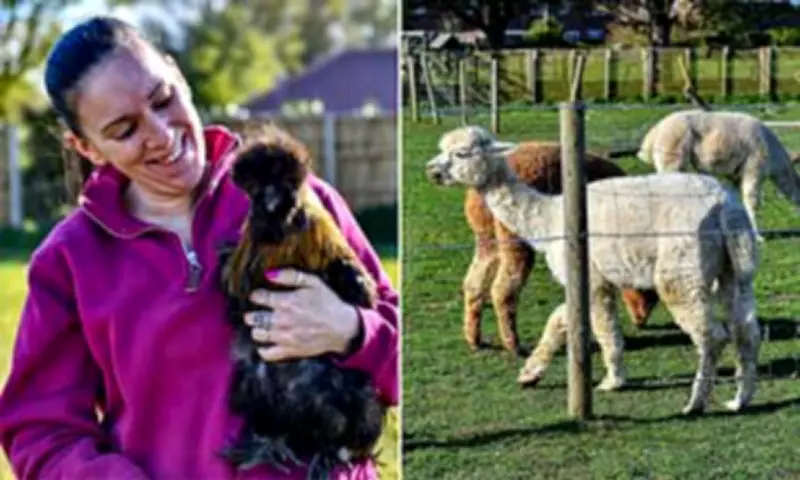
A quiet Norfolk village has been plunged into a contentious planning battle as residents clash with a local woman over her ambitions to keep alpacas and live on her agricultural land. Lauren Talbot, a 37-year-old dog groomer from West Dereham, purchased six acres near her home for £85,000 to house horses, goats, chickens, and a growing herd of alpacas, but her plans have met fierce opposition from villagers who claim it harms the area's character.
Life-Changing Recovery Fuels Rural Dream
Miss Talbot's journey began after a near-fatal experience four years ago. She survived septic shock following a kidney operation in September 2022, spending two weeks in a coma. "I was lucky to survive," she recalled. "When I came out of hospital, I decided I wanted to do something I really enjoy doing." This land came up for sale in 2023, and she successfully bid for it, envisioning a lifestyle change centered around animal care and sustainability.
Her vision includes expanding her alpaca herd to around 30 animals, selling their wool, and creating a therapeutic space for disabled adults and children to visit. However, the project has faced significant backlash, with Miss Talbot describing the response as "really brutal" and "awful." She added, "I've lived in this village for eight years and in all that time I've never had an issue with anybody until I bought this land and then all the hate came out."

Residents Voice Concerns Over Impact and Welfare
Anger erupted when Miss Talbot applied to convert a caravan used for storage into "temporary agricultural accommodation" to live on the property. Villagers objected on multiple grounds, citing the plot's condition and animal welfare issues. One resident argued on West Norfolk Council's planning portal that alpacas are "low-maintenance livestock" not requiring constant on-site supervision, questioning the need for someone to reside there.
Others complained about animals escaping through defective fencing, running onto roads, and occasional sick animals, with one stating, "The welfare of animals on site has caused great concern within the village." Additionally, objections highlighted the storage of building materials, non-agricultural equipment, and scrap on the land, claiming it negatively impacts the surrounding area's character.
Supporters Decry "Hate Campaign" on Social Media
Amid the controversy, Miss Talbot has garnered support from some quarters. Her application to erect an "agricultural storage" cabin was approved two years ago despite 22 objections, with eight letters of support countering the criticism. One supporter described a "hate campaign" against her on social media, while another expressed shame at the village's behavior, calling it "full of haters and people who fear and do not want change."
Miss Talbot initially told parish councillors she intended to live in the cabin due to a potential eviction, though she no longer faces that threat. Opponents have accused her of using animal welfare as leverage to bypass standard residential development restrictions, as applicants typically must show an agricultural business has operated for three years before converting a building for residential use.
Future Plans and Business Viability
Miss Talbot has withdrawn her current plans but plans to resubmit them shortly to address regulatory requirements. She explained, "I'm looking to put in an application for a start-up business, and because it's a start-up business it can't have been here for three years. They usually give you planning for three years, then you have to show you're a viable business to make it permanent."
In a statement, her agent emphasized that the proposed development supports animal welfare, biosecurity, and farming continuity, describing the structure as "modest, reversible and visually appropriate." Despite the ongoing dispute, Miss Talbot remains committed to her vision, though she admitted, "If I had the opportunity to do it again, I wouldn't," reflecting on the intense community conflict.

The case highlights broader tensions between rural development, agricultural innovation, and community preservation in picturesque villages like West Dereham.