London's ultra-wealthy are taking disaster preparedness to new extremes, with nuclear-proof underground bunkers, high-tech safe rooms, and self-sufficient country escapes becoming increasingly common among the capital's super-rich.
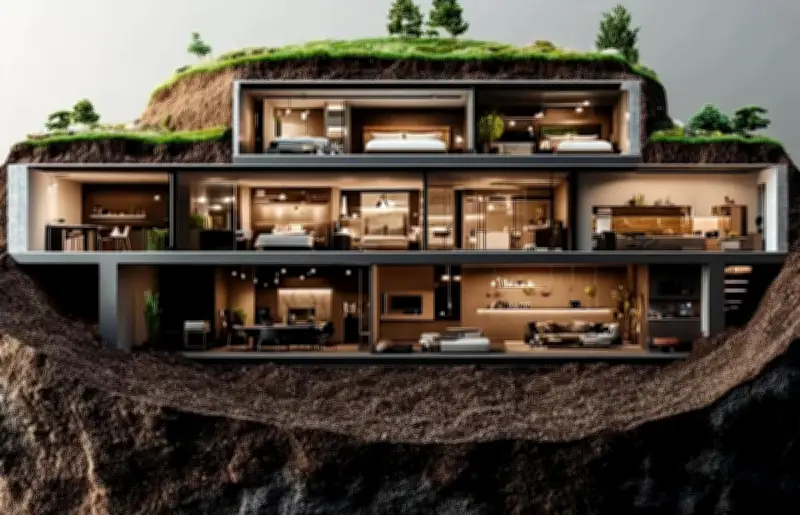
Luxury estate agent Trevor Abrahmsohn of Glentree Estates recalls one eccentric client who had a nuclear shelter built under any property he bought, fully equipped with food, water, and filtered air. Many mansions and super-mansions feature basements and sub-basements lying 30-40 feet underground, ostensibly used as cinemas, gyms, or even a subterranean ballroom for one client, but also offering safety in the unlikely event of a nuclear attack.
Luxury Prepping on the Rise
Those who work with ultra-high net worth individuals report that luxury prepping is on the rise and becoming turbocharged. Supersized pantries, as large as a small room with storage for dry and tinned goods, are in demand. Greg Dauly, senior designer at bespoke kitchen and joinery studio Cor Domi, says they are building floor-to-ceiling joinery with deep pull-out drawers for heavy items, a second fridge or freezer tucked behind matching doors, and shelving for easy tracking.
Safe rooms are also becoming more mainstream. Paul Weldon from The Panic Room Company says he has been inundated with enquiries for secure rooms and bunkers since events such as the wars in Ukraine and Iran, and no longer just from the super-rich. While the main motivation was previously to prevent kidnap, nowadays multiple dangers are prompting even those with a few million pounds to invest.
Self-Sufficient Escapes
Panic rooms are increasingly equipped for longer stays with air filtration, independent power and water, medical supplies, safes full of cash, tinned and dried food, and communications that don't rely on smart tech, according to buying agent Sara Ransom. Wealthy homeowners are also protecting their homes from environmental disasters, whether flood-proofing with sump pumps and storm shutters or getting tree surveys.
Security-conscious second home buyers are looking for remote properties as self-sufficient escapes. James Greenwood of Stacks Property Search represented a buyer who wanted a remote property surrounded by its own land, keeping the location low profile. They bought a farmhouse with 17 acres, sank a bore hole, installed solar panels and a generator, and turned the cellar into a shelter equipped with LED lighting, a store of water, dried and tinned food, and an array of batteries. The land is used for vegetable growing and a small flock of sheep.
Independence and Escape Plans
Adam Arya, co-founder of design studio Arya Douge, says self-sufficiency rather than apocalyptic thinking can often be the draw when installing renewable energy. These clients are accustomed to comfort and convenience, and that extends to the infrastructure behind their homes, including generating their own electricity and reducing dependence on the grid. "The ultimate luxury is having a home that doesn't need to rely on anyone else."
Some are planning more direct escape routes. Jess Simpson, a super-prime buying agent, reports that one client is learning how to fly a seaplane in case he needs to leave the country urgently. Ed Lucas, a buying adviser at Property Vision, says one London client wanted a home anywhere in the capital as long as it was within a full petrol tank of their country property so they could leave town without stopping for fuel. "Ten years ago, nobody would have asked us that."
Those who can afford it are also maximising their passport and citizenship options. Jo Eccles, managing director of prime central London buying agent Eccord, says one entrepreneur client whose mother is from New Zealand has applied for New Zealand passports for her husband and two children, which took about 30 hours of admin, in case they need to relocate at short notice.