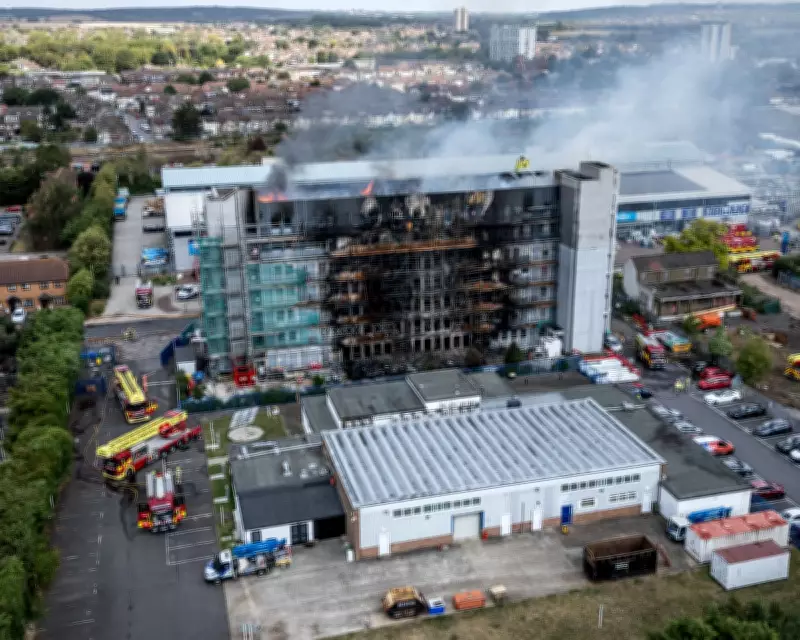
London Authority Seeks Fire Safety Works Refund for Building That Burned Down
In a controversial move, a London authority has formally requested a refund for fire safety works conducted on a building that subsequently burned down. This demand highlights significant concerns regarding the effectiveness of safety regulations and financial management in the construction sector.
Details of the Incident and Refund Request
The building, located in a central London district, underwent extensive fire safety upgrades as part of a broader compliance initiative. These works, which included the installation of advanced alarm systems, fire-resistant materials, and emergency exits, were completed just months before the devastating fire occurred. Despite these measures, the structure was completely destroyed, leading to no reported injuries but substantial property damage.
The authority, responsible for overseeing building safety in the area, has now submitted a formal claim to the contractors and insurers involved, seeking reimbursement for the costs of the fire safety works. Officials argue that the investment failed to prevent the destruction, suggesting potential flaws in the implementation or design of the safety features.

Implications for Regulatory Oversight and Accountability
This case raises critical questions about the accountability of safety regulations in urban development. Experts point out that while fire safety works are mandated to protect lives and property, their effectiveness can be compromised by factors such as poor maintenance, human error, or unforeseen circumstances. The authority's refund request underscores a growing scrutiny over whether current standards are sufficient to mitigate risks in densely populated areas like London.
Moreover, the incident has sparked debate among policymakers and industry stakeholders. Some advocate for stricter enforcement and regular audits of safety measures, while others emphasize the need for better risk assessment protocols to prevent similar situations. The financial aspect also comes into play, as taxpayers and investors may bear the brunt of such failures, prompting calls for more transparent funding and insurance models.
Broader Context and Future Steps
This is not an isolated issue; similar cases have emerged in other UK cities, reflecting a nationwide challenge in balancing safety investments with practical outcomes. The London authority's action could set a precedent for how local governments handle post-disaster financial recoveries, potentially influencing future policy reforms.
Moving forward, the authority plans to review its safety protocols and engage with regulatory bodies to enhance oversight. A public inquiry may be initiated to investigate the root causes of the fire and assess the adequacy of the safety works. Stakeholders, including residents and construction firms, are urged to participate in discussions to foster a safer built environment.
In summary, the London authority's pursuit of a refund for fire safety works on a burned-down building underscores pressing issues in construction safety and financial accountability. As investigations proceed, this case may drive significant changes in how fire risks are managed and funded across the UK.