
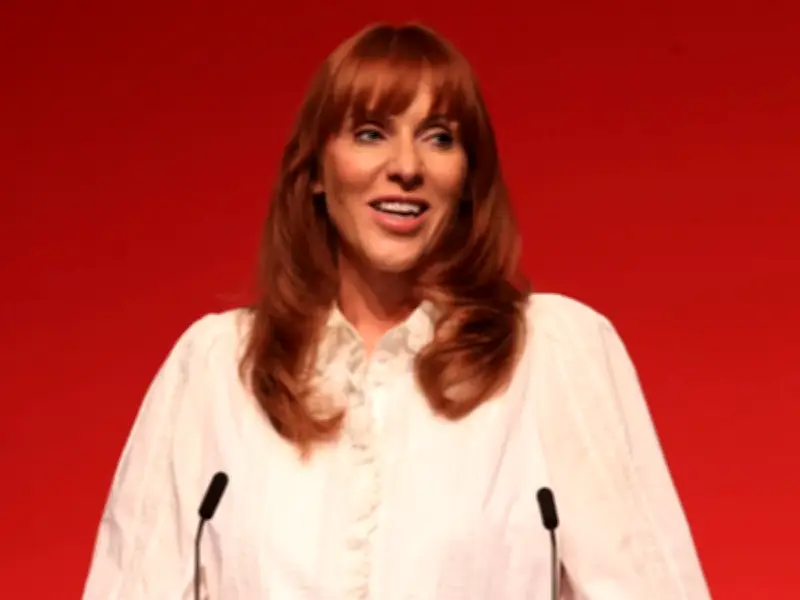
Angela Rayner has said she has "unfinished business" in reforming the leasehold system for millions of homeowners, announcing a new clampdown on "cowboy" property agents and hidden fees in her Labour Party conference speech.
The Housing Secretary said leaseholders have found their dream of homeownership "turned into a nightmare" and vowed to end the "injustice of fleecehold".
Ground rent cap and new fees clampdown
Ms Rayner said: "Despite owning their own home, some leaseholders are forking out hundreds and sometimes thousands of pounds a year to unaccountable investors for absolutely nothing in return. That is why we are calling time on this by capping then scrapping ground rents - putting money back and power back in peoples hands."
Labour is already looking to widen the ban on new leasehold properties and effectively scrap ground rent. The new proposals would see ground rent capped at £250 a year for existing leases, before falling to a "peppercorn" rate - effectively zero - after 40 years.
There will also be a clampdown on administrative fees, where landlords can charge for providing documents on request, like building safety certificates, or even for notifying them of a change in mortgage provider.
What is a leasehold and why is it controversial?
If you are a leaseholder, it means you own the property for a set period of time but not the land. The land is owned by a freeholder. If you have a leasehold, you basically have the right to live there for a fixed term, often 99 to 925 years. In comparison, a freehold property means you own the building and the land.
Flats are commonly leasehold properties. There are around five million leasehold properties in England and Wales, of which 70% are flats. However, houses can also be leasehold - though the sale of most new leasehold houses has now been banned in England and Wales.
Leaseholds are controversial as homeowners are typically charged ground rents for the right to use the land - and this ground rent normally rises every year, which can leave families trapped with unaffordable fees and a property that is hard to sell. There are also service charges, which are meant to be used for building maintenance and communal repairs. This also rises every year and leaseholders often complain that there is little transparency for what the money is spent on. Leaseholders often need permission from the landlord to make alterations to their property or keep pets.
What is changing and what challenges remain?
The Leasehold and Freehold Act 2024 banned the sale of new leasehold houses unless in exceptional circumstances, making them freeholds by default. This applies in England and Wales. The government is moving forward to extend this to most new leasehold flats through the Commonhold and Leasehold Reform Bill, which is expected to be introduced to Parliament this autumn. A draft version was introduced at the start of this year.
In the future, new flats would be commonhold, which is where you own the freehold of your individual flat and shared areas are owned and managed collectively. Under the current system, leaseholders can be forced to pay fees in order to receive their landlord's permission for requests like keeping a pet. The Government wants to introduce caps on these fees. Ms Rayner said she had heard of leaseholders being charged £250 for permission to own a pet and £400 to change their front door.
Major freeholder and investor groups previously launched a legal challenge against the Leasehold and Freehold Reform Act 2024, arguing that the changes violated their property rights. But the High Court dismissed these claims in 2025, ruling that the measures were lawful. Property developers are generally not in favour of the reforms, as to them it is effectively a loss of revenue streams. This is because the property can only be sold once directly to the homeowner - and there would be no freehold to sell to an investor.
Mortgage providers generally support the reforms, though may remain cautious about how the changes and uncertainty of when they will come in could affect property values and marketability. But short-lease properties should eventually become easier and cheaper to mortgage as lease extensions will be standardised to 990 years. Under existing legislation, a formal lease extension adds 90 years for a flat and 50 years for a house. Extending a lease can cost anywhere from several thousand pounds to tens of thousands, particularly when it drops below 80 years. Once a lease drops below 80 years, getting a mortgage becomes significantly harder. It is anticipated that the Commonhold and Leasehold Reform Bill could come into force from 2028.




