

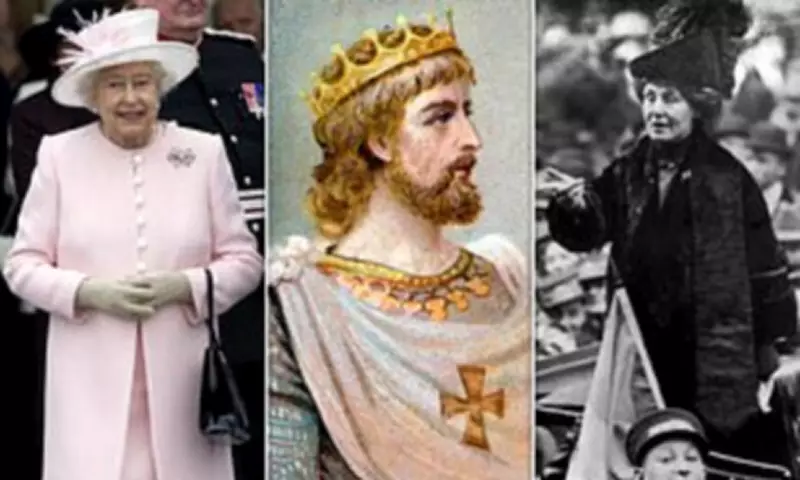
In a bold move to address the UK's housing crisis, the Labour government is developing plans for up to 12 new towns across England, with potential names paying tribute to historical figures such as Queen Elizabeth II, suffragette Emmeline Pankhurst, and King Athelstan, the first monarch of all England. These proposals form part of Labour's ambitious pledge to construct 1.5 million new homes by the end of this parliament in 2029, a target that has already faced scrutiny for slow progress.
Potential Names and Historical Significance
Elizabethtown emerges as the leading suggestion, honouring the late Queen Elizabeth II, whose reign spanned decades of national change. If approved, this could mark the first official new town in the UK since Milton Keynes was established in the 1970s, a development often mocked for its concrete cows and numerous roundabouts. The naming of a town after the Queen would symbolise a modern tribute to her legacy, potentially setting a precedent for future settlements.
Also under consideration is Pankhurst, named after Emmeline Pankhurst, a pivotal figure in the early twentieth-century fight for women's suffrage. This choice would highlight the ongoing importance of gender equality and social justice in contemporary Britain. Additionally, Athelstan is proposed to commemorate the first King of all England, who reigned from 925 to 939 AD, connecting the new developments to the nation's ancient roots.

Other Naming Options and Historical Context
Beyond these front-runners, officials have suggested Attleeton, after former Labour Prime Minister Clement Attlee, who championed post-war mass town development, and Seacole, in honour of Mary Seacole, the Jamaican-British nurse who cared for soldiers during the Crimean War. These names reflect a broader effort to celebrate diverse contributions to British history, moving away from traditional naming conventions that often rely on existing villages or landmarks.
Historically, UK new towns have typically been named after local features, with exceptions like Telford in Shropshire, which was named after engineer Thomas Telford in the 1960s. Past attempts at more creative names, such as Alseopolis or Homesworth for Letchworth in Hertfordshire, have generally failed to gain traction, underscoring the challenges in finding inspirational and enduring names.
Project Details and Public Perception
Next week, the government is set to announce a list of locations for these new towns, selected by the New Towns Taskforce from over 100 submissions across England. Sites in London, the south east, south west, and east of England have received the most proposals, each capable of accommodating at least 10,000 homes. The estimated cost exceeds £48 billion, with the first residents potentially moving in by the mid-2030s.
However, public enthusiasm appears limited. A YouGov survey conducted last year by the Royal Town Planning Institute revealed that only 16% of respondents believe Labour's new towns will be successful in 50 years. Common descriptors included 'roundabouts', 'boring', 'bland', 'concrete', 'depressing', 'ugly', and 'soulless', echoing criticisms of past developments like Milton Keynes.
Design Innovations and Community Focus
To counter such perceptions, the government has pledged that these towns will not be 'cookie-cutter neighbourhoods', a critique famously levelled by the then Prince Charles, who founded his own town, Poundbury, in Dorset. New guidelines from the Ministry of Housing, Communities and Local Government mandate features such as home working spaces, storage for bins and bikes, and flexible layouts. Developments must also include ample green space and be within walking distance of shops and businesses to reduce car commuting and foster local employment.
Innovative approaches are being explored, including the possibility of residents holding stakes in utilities like water through mutual societies, promoting community ownership and sustainability. A public consultation will allow input on names before final approval at the local level, though there is scepticism about whether the towns will inspire widespread admiration.

As Labour strives to fulfil its housing promises, the naming of these new towns represents more than a symbolic gesture; it is an attempt to embed historical pride and modern values into the fabric of future communities. Whether names like Elizabethtown or Pankhurst will resonate with the public and overcome past failures remains to be seen, but the initiative underscores a significant effort to reshape Britain's urban landscape for generations to come.





