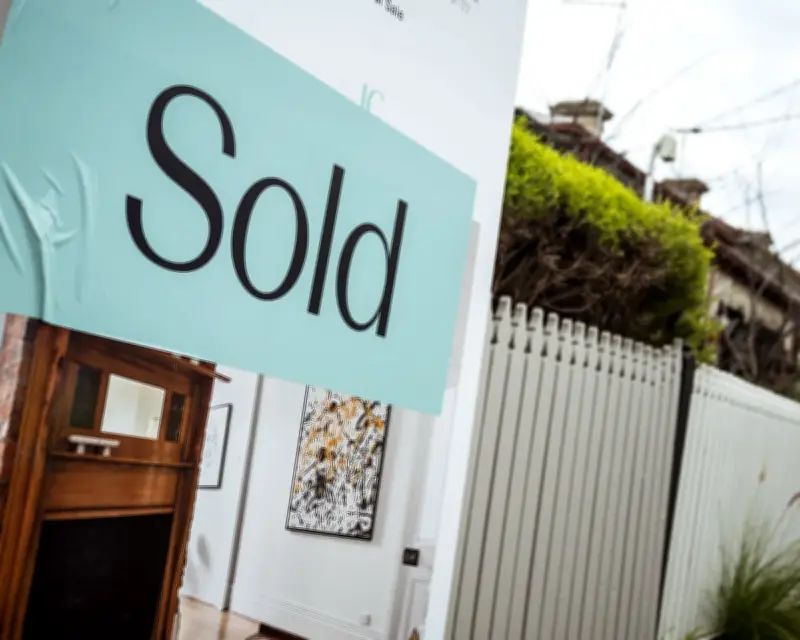
Higher-earning Australians are increasingly using the government’s 5% first home deposit scheme, with one in three new participants earning more than the previous income cap for high earners, according to data from Housing Australia. Economists warn that the influx of high-income borrowers into the First Home Guarantee program may be pushing up property prices by boosting purchasing power for those who could have bought homes anyway.
Scheme expansion and income cap removal
The former Coalition government introduced the scheme to help lower-income first-time buyers borrow 95% of a property’s value, with the government covering lenders’ mortgage insurance. Last year, Labor removed income caps of $125,000 for single borrowers and $200,000 combined for joint borrowers, fulfilling a pre-election pledge. Data from Housing Australia, prepared for Senate estimates and obtained by Guardian Australia, shows that from 1 October to 30 April, the scheme backed 15,924 single borrower loans and 23,790 joint loans.
Of the 39,704 government-backed loans, 13,979 were taken out by borrowers exceeding the scrapped income caps: 6,812 single borrowers earning over $125,000 and 7,167 joint borrowers earning over $200,000. At the upper end, nearly 1,000 single Australians earning $200,000 or more and 1,251 couples earning a combined $275,000 or more used the scheme to secure a 5% deposit.
Economists raise concerns
Amy Auster, chief executive of the Policy Institute Australia, said the removal of caps meant government support flowed to those already in better financial positions. “It always matters because … government support traditionally goes to the people who need it the most,” Auster said. “There’s been an ongoing expansion of efforts to financially support … first home buyers, and I understand why, but in the end, it hasn’t solved the problem.”
Independent economist Saul Eslake argued the scheme likely benefited people who would have bought homes anyway, while inflating their debt levels. “The way it was expanded by Albanese goes to the heart of why we have the housing problems that we have,” Eslake said. “Whenever governments do things that allow people to spend more on housing than they would have otherwise, they end up spending more on housing.”
Impact on borrowing capacity and prices
The scheme dramatically increases borrowing power. A borrower with $50,000 in savings, under a 20% deposit requirement, could only borrow $200,000. Under the 5% deposit scheme, the same borrower could access a $1 million loan. Since Labor expanded the scheme, price caps were raised by hundreds of thousands of dollars, including homes below $1.5 million in NSW cities, $1 million in south-east Queensland, $950,000 in Melbourne and Geelong, $850,000 in Perth, $900,000 in Adelaide, and $700,000 in Hobart, with regional variations.
Data from Cotality shows that homes eligible under the scheme saw slower price increases than ineligible homes in early 2025, but once the scheme expanded, eligible property prices rose much faster. The government backed an average of 5,670 5% deposit loans per month from October to April. Across Australia, all first home buyers took out an average of 10,181 loans per month from October to March, Australian Bureau of Statistics data shows—a less than 3% increase from the 9,900 monthly average in the prior six months, suggesting the scheme has yet to significantly boost home ownership. First home buyer activity has since declined as the housing market enters a downturn.