

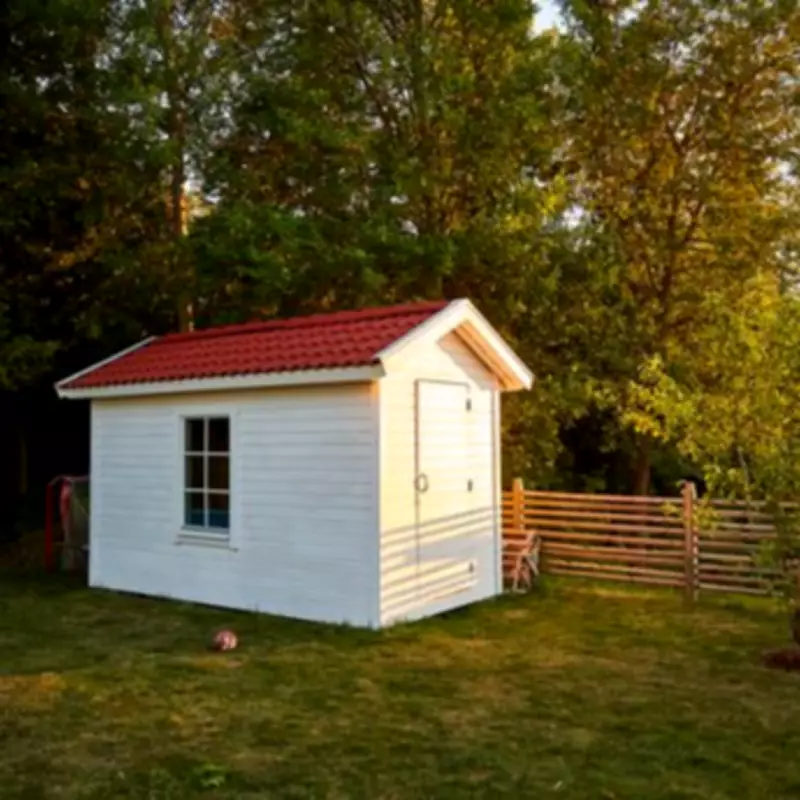
Homeowners throughout the United Kingdom are being issued a critical warning regarding a widespread garden practice that could inadvertently place them on the wrong side of the law. The seemingly innocent act of using a garden shed or log cabin for overnight accommodation may constitute a breach of strict planning regulations, potentially triggering severe legal and financial repercussions from local authorities.
The Legal Pitfalls of Shed Conversions
While the idea of transforming a garden outbuilding into a cosy glamping retreat or a permanent guest bedroom might appear appealing, experts emphasise that such conversions often require formal planning permission. Failure to obtain the necessary approvals can lead to enforcement action, including substantial fines and even orders to dismantle the structure entirely.
Understanding the Regulations
Garden sheds and similar outbuildings are typically categorised under planning law as structures not intended for residential use. Converting them into living quarters constitutes a 'change of use', which is subject to local council oversight. This is not merely a bureaucratic formality; it involves critical building regulations concerning insulation, ventilation, fire safety, and structural integrity.

Furthermore, councils enforce housing standards under legislation such as the Housing Act 2004, which mandates that all habitable spaces meet basic health and safety requirements. A shed or cabin used for regular accommodation without proper authorisation would likely be deemed substandard, rendering its occupation illegal.
Expert Advice and Council Guidance
Sam Jenkinson, a garden building expert at Tiger, has highlighted a common lack of awareness among homeowners. "If you're using your garden building, such as a log cabin or shed, for regular and frequent overnight accommodation without planning permission, your local council may not take too kindly to it," he cautioned.
He clarified that occasional, infrequent use—such as hosting a friend for a single night—is generally less problematic. However, the situation changes dramatically if the structure is intended as a permanent guest room, especially if payment is involved. "You'll need to check building regulations and get planning permission as it may be considered a change of use," Jenkinson advised.
The potential consequences of non-compliance are severe and can include:
- Formal enforcement notices prohibiting the use of the building for accommodation.
- Legal orders requiring the complete dismantling or demolition of the structure.
- Substantial financial penalties imposed by the local authority.
Proactive Steps for Homeowners
For anyone considering converting a garden shed, cabin, or similar outbuilding into a sleeping space, the advice is unequivocal: seek guidance from your local council at the earliest opportunity. Proactively applying for planning permission and ensuring compliance with all relevant building regulations is the only way to avoid legal entanglements.
Ignoring these rules not only risks significant financial loss through fines and forced alterations but could also result in the total loss of your garden building investment. The message from experts and councils is clear: when it comes to using sheds for overnight stays, it is always better to seek permission first than to face enforcement later.






