

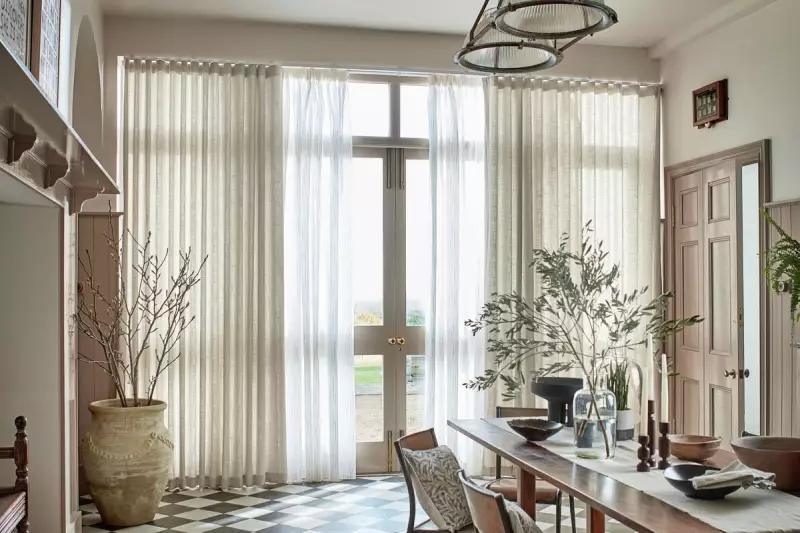
As the new year encourages fresh perspectives, our attention turns to the home, with window dressings offering a prime opportunity for a stylish and practical upgrade. According to design experts, mastering the art of layering can transform a room from simply furnished to fully finished.
The Foundation of a Layered Look
Chloe Dacosta, design manager at Blinds 2go and Curtains 2go, emphasises that every successful scheme starts with a practical base layer. She recommends beginning with a blind, which provides essential day-to-day functionality without dominating the window space.
"I find roman blinds, roller blinds, shutters, and wooden blinds provide reliable privacy and light control – the best for a base layer – whilst still allowing you to be creative with your look," Dacosta explains. For rooms where natural light is prized, sheer or light-filtering blinds are ideal, while blackout options are perfect for bedrooms. The base layer can be a neutral shade to recede or a textured pattern to introduce subtle interest.

Adding Softness and Style with Curtains
Once the functional foundation is set, curtains introduce the softness and style that truly elevate a room. Dacosta advises hanging them slightly wider and higher than the window frame to create an illusion of height and a more elegant silhouette.
Selecting the right curtains involves considering several key elements:
Texture: Linen offers a relaxed feel, velvet adds glamour, and cosy cotton weaves provide versatile balance.
Length: Floor-skimming panels look refined, while pooled curtains evoke luxury (though may be less practical with pets or children). In bedrooms, shorter curtains that sit under the sill are another option.
Colour: Tonal combinations foster calm cohesion, whereas contrasting colours can turn the window into a bold focal point. Dacosta also notes that curtains don't have to be heavy; lightweight drapes layered over a blackout blind can offer the best of both worlds.
Introducing Sheers for Diffused Light
"Sheers are the secret to that dreamy, layered look so often seen in magazines and show homes," reveals Dacosta. Their translucent texture diffuses sunlight beautifully, creating movement and tranquillity. Their adaptability means they can be layered with blinds, curtains, or both.
For instance, sheer curtains can be added purely for style over a privacy blind, or combined with heavier drapes to allow a switch between a bright, breezy daytime feel and a warm, cocooned atmosphere in the evening.
Expert Layering Tips and Product Combinations
Layering grants permission to creatively mix pattern, tone, and texture. A subtle blind can sit behind bolder curtains, while patterned blinds work well with plain drapes in complementary shades. For those hesitant, Dacosta suggests keeping everything within the same colour family, as soft tonal layers feel sophisticated and are hard to get wrong.
She also highlights a significant practical benefit: layering isn't just an aesthetic choice. "Two treatments at one window can significantly improve insulation. Thermal blinds paired with lined curtains help regulate temperature throughout the year – keeping heat in during winter and blocking harsh sunlight in summer."
To inspire homeowners, Dacosta shares two of her favourite combinations:
Oatmeal curtains and cream voile: This neutral duo creates a soft, serene finish. Light colours allow natural light to flow in, lifting the space by day, while drawing both layers at night adds privacy and a cocooning warmth.
Statement pattern-on-pattern prints: For the bold decorator, combining patterns makes a striking statement. Dacosta loves the cottagecore charm of an ikat print juxtaposed with a floral curtain, noting how the designs play off each other.
"Don't be afraid to experiment with prints and colour," she encourages. "You'll be amazed by the combinations that work beautifully once you start playing. That's exactly what sample packs are for!"
Dacosta concludes that layering window treatments is about more than just dressing a window; it's a thoughtful process of shaping the very atmosphere of your home, one beautiful detail at a time.






