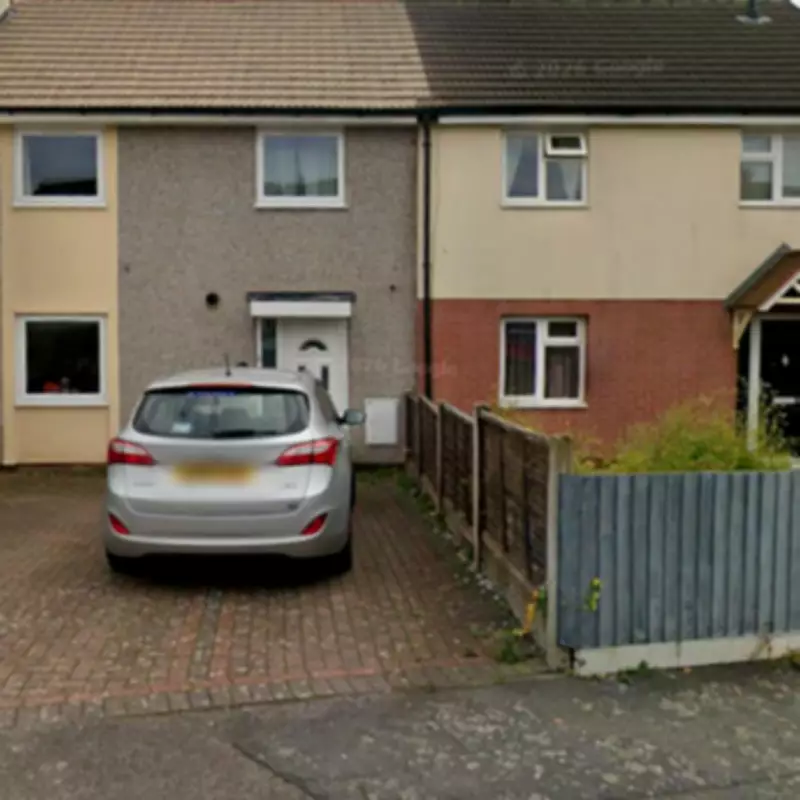
A homeowner has detailed an escalating neighbourhood conflict over unauthorised parking, alleging that a neighbour consistently waits for them to depart before occupying their private driveway. The resident, who shared her frustrations on a social media platform, explained that despite multiple confrontations, the behaviour persists, even after she and her boyfriend installed a sign displaying his vehicle registration plate to assert ownership—only for it to be deliberately knocked down.
Repeated Trespassing and Failed Resolutions
The resident recounted that the neighbour parks on their driveway the moment they believe the property is vacant. She noted that while her boyfriend owns a car, she does not, making her more likely to witness the intrusions. "We’ve brought this up with them multiple times yet they keep doing it," she stated, emphasising that the driveway's emptiness does not justify the action. The situation worsened when the neighbour once placed a trash container that damaged garden flowers, all without seeking permission.
Community Suggestions and Legal Guidance
In response to her online post, commenters proposed creative solutions, such as purchasing an inexpensive car to block the neighbour's vehicle or involving local authorities. However, official advice from the Metropolitan Police clarifies that parking on a private driveway constitutes trespassing, a civil matter rather than a criminal one. Police recommend initial polite communication, leaving notes, or contacting building managers for leased properties with designated spaces. For persistent issues, they suggest reporting antisocial behaviour online but note that direct police intervention is limited.

Legal Recourse and Practical Steps
The RAC highlights that there is no swift legal remedy, warning against self-help measures like towing or damaging the vehicle, which could lead to prosecution. Instead, they outline two primary legal avenues: pursuing a civil case for trespass to obtain a court order for removal, or claiming nuisance behaviour for interfering with property enjoyment. Both processes can be lengthy and costly without legal expenses insurance. Alternatively, if the vehicle appears abandoned—lacking a registered keeper, being untaxed, or significantly damaged—local councils can be notified for removal after a 15-day notice period, provided no objections from landowners arise.
Ultimately, the resident expressed reluctance to involve law enforcement, fearing being labelled a "crazy neighbour," but acknowledged the potential inconvenience if both household cars need parking space. The dispute underscores the challenges of resolving property boundary issues through civil means, with experts urging calm dialogue and legal consultation over retaliatory actions.