
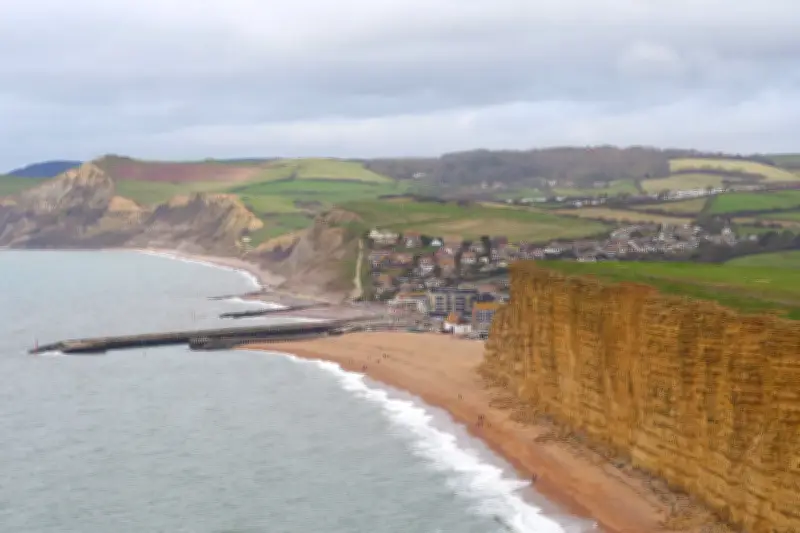
House hunter interest in cottages has fallen by around a third (32%) over the past three years, according to property website Zoopla. The comparison of typical views per listing across the UK between the first half of 2026 and the first half of 2023 shows a marked cooling in demand for the property type.
Trend reversal after pandemic boom
Cottages have often commanded premium interest from buyers seeking an idyllic lifestyle, Zoopla said. In 2024, the term was the fourth most searched for on the website, which it suggested could partly be down to the “cottagecore” boom – a social media trend that romanticised simple, rural living. The “race for space” was particularly popular during the coronavirus pandemic, as buyers snapped up rural and seaside properties.
But Zoopla said the trend has cooled amid rising living costs, higher mortgage rates and additional taxes for second home owners. The average price of a cottage is now £321,641, a 0.3% fall in value compared with a year earlier.
Market contrast and sales figures
The fall in the average value contrasts with the wider housing market, which has recorded a 1.3% increase in average house prices over the past year, Zoopla said. Sales agreed of cottages in the first half of 2026 have fallen by 13% annually, and the number of cottages for sale has dropped 9% in the same period.
The website also analysed trends in 24 local authority areas described as cottage hotspots. In 18 of these 24 areas, average cottage values had fallen faster over the past year than standard homes in the same postcodes – falling by an average of 1.4% year-on-year, compared to 0.4% for all homes in those areas.
Industry reaction
Richard Donnell, executive director of research at Zoopla, said: “Cottages in picturesque rural or coastal areas have commanded strong buyer interest in recent years, but the market reality has now shifted.” He added: “Fewer sales and weaker demand is filtering into lower prices for cottages.”
Nick Maud, lead analyst at Connells Group, said: “Demand and prices in picturesque, rural locations surged during the widely publicised ‘race for space’. With memories of the pandemic lockdowns still fresh, buyers paid record prices for what they perceived as a better quality of life with greater access to nature and private outdoor space. However, inflationary pressures and a looser labour market have created a sense of growing precarity.”
Ian Harris, president of NAEA (National Association of Estate Agents) Propertymark, said: “The changing face of the marketplace regarding character properties and cottages near seaside locations is a reminder that property trends can shift quickly. For buyers, softer demand and falling prices in some rural and coastal areas could create new opportunities, particularly for those who were previously priced out. For sellers, realistic pricing is more important than ever. Professional advice can help consumers understand what their property is genuinely worth in today’s market, rather than relying on pandemic-era expectations.”
Cottage hotspots with sharpest price falls
Here are some cottage hotspots where average values of cottages have fallen particularly sharply over the past year, according to Zoopla, with the average cottage value in June 2026 followed by the annual fall: North Devon £329,118, minus 6.1%; Ceredigion £256,761, minus 6.0%; East Lindsey £259,479, minus 5.7%; Isle of Wight £349,004, minus 5.1%; Cotswold £425,474, minus 4.2%; East Devon £360,109, minus 3.9%; South Lakeland £298,434, minus 3.8%; Dorset £348,213, minus 3.3%; Torbay £246,711, minus 3.2%; East Suffolk £324,610, minus 2.0%.




