

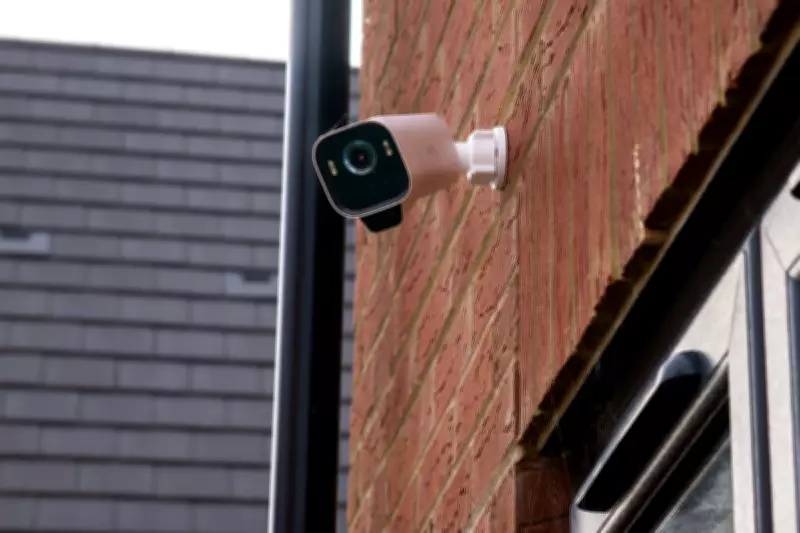
Strategic Security Camera Placement: Your Ultimate Guide to Home Protection
In today's world, compact, affordable, and intelligent security cameras have democratised access to professional-grade surveillance systems for homeowners. However, while purchasing and installing these devices has become remarkably straightforward, selecting optimal locations remains a critical challenge that can make or break your home's security.
Many premium home security cameras include specific guidance about ideal placement, but these recommendations often vary significantly depending on each model's unique performance characteristics and technical specifications. What proves perfect for one camera model might deliver subpar results for another. Beyond matching your camera to its environment, a comprehensive security assessment must identify which areas of your property require monitoring and determine how many cameras you'll need to achieve complete coverage.
Five Essential Locations for Maximum Security Coverage
- Front Door: Your Primary Defense Line
Positioning your first security camera or video doorbell at the front entrance represents the most fundamental security measure. This placement provides comprehensive visibility of your home's facade (or outward views with doorbell cameras) while serving as a powerful visual deterrent against potential intruders. Most high-quality video doorbells are engineered for installation in standard doorbell locations and typically include both flat and angled mounting plates for optimal positioning.
—
For maximum effectiveness, install cameras slightly higher than your door, positioned to the left or right side. This strategic angle captures not just the door itself but also the approach path and surrounding areas, documenting an intruder's entire approach rather than just their presence at the threshold. Elevate the camera sufficiently to prevent tampering or theft while maintaining accessibility for periodic battery charging.
- Back Doors and Side Entrances: Securing Secondary Access Points
Your second camera should monitor back doors or side entrances, areas frequently exploited by burglars who avoid front-facing surveillance. Mirror the front door installation approach by mounting the camera at height with an angled view that captures both the entrance and adjacent spaces. Exercise caution to avoid pointing cameras toward neighbouring properties, utilising privacy masking features available in most camera applications when necessary.
Cameras with garden-facing views offer exceptional value, simultaneously monitoring back doors, garden spaces, and side gates. When possible, configure the camera's field of view to encompass only your property, enabling features like motion-activated recording, spotlight activation, or alarm triggering without false activations from beyond your boundaries.
- Driveway Surveillance: Deterring Vehicle Crime and Loitering
Driveway placement serves as both a theft deterrent for vehicles and a preventive measure against suspicious loitering. While elevated installation is recommended, carefully consider your camera's night vision capabilities and motion detection sensitivity—excessive height can compromise these essential functions.
Security cameras equipped with integrated spotlights provide dual benefits: discouraging car thieves while illuminating dark areas. Always respect neighbours' privacy by avoiding surveillance of adjacent properties, using recording-zone customization tools to exclude neighbouring driveways and gardens. Before finalising driveway installations, thoroughly test Wi-Fi signal strength, as greater distances from your router may require signal boosters or network extenders for reliable connectivity.
- Ground Floor Windows: Interior Monitoring Solutions
Interior security cameras, typically more affordable than weatherproof outdoor models and powered by continuous electrical outlets rather than batteries, offer versatile security applications. While commonly used for pet monitoring, these devices provide valuable supplemental security when positioned to view through ground-floor windows.

Such placement can capture suspicious activity or trespassing that exterior cameras might miss, potentially recording break-in footage that completes your security picture. Conduct thorough testing to avoid false triggers from window reflections. Interior cameras also excel at monitoring specific high-value items like jewellery collections, safes, or key storage locations.
- Garages, Sheds, and Outbuildings: Protecting Peripheral Structures
Security cameras provide essential protection for detached structures containing valuable tools, equipment, or vehicles. Most outdoor cameras include mounting hardware for installation on walls, posts, or fences, with robust weather resistance ensuring reliable performance in diverse conditions.
Follow established best practices: mount at sufficient height to prevent tampering, ensure clear views of protected structures, and verify stable Wi-Fi connections. Motion-activated spotlight cameras prove particularly effective for these applications, with programmable arming schedules that activate only during specified hours. Before finalising installation, meticulously test night vision functionality, ensuring infrared illumination doesn't reflect off nearby surfaces like window ledges or foliage that could compromise image quality.
By strategically implementing cameras in these five critical locations, homeowners can create comprehensive security networks that significantly reduce burglary risks while providing valuable evidence should incidents occur. Remember that effective home security combines technological solutions with thoughtful placement and regular system maintenance.





