

Australian Housing Market Demands Urgent Reform as Prices Skyrocket
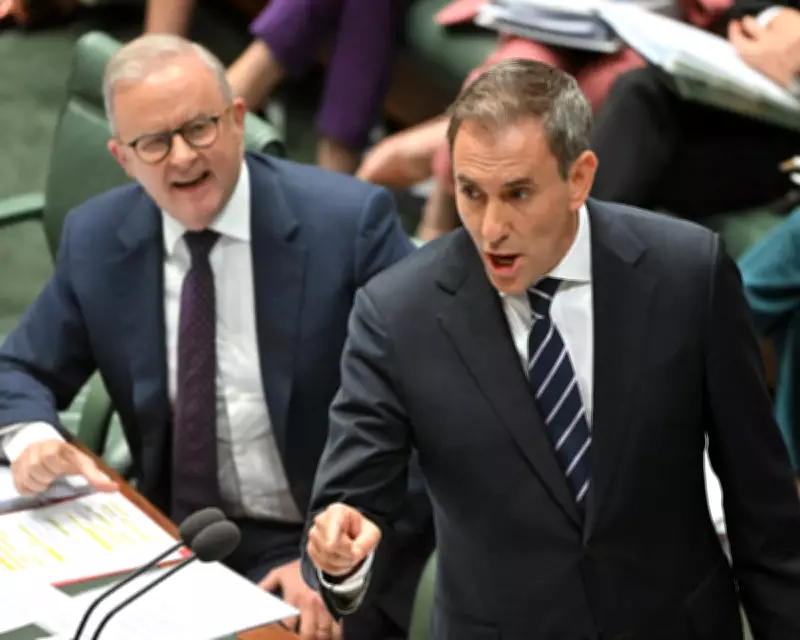
In the face of escalating dwelling prices across Australia, the federal government is under mounting pressure to implement substantial housing market reforms. Treasurer Jim Chalmers is reportedly advocating for genuine systemic changes, yet Prime Minister Anthony Albanese appears reluctant to disturb the established order, raising concerns about the administration's commitment to addressing the affordability crisis.
Unprecedented Price Increases Nationwide
The latest dwelling price data reveals alarming trends that have become characteristic of the Australian property landscape. During the December quarter, average dwelling prices surged by 2.7% nationally, marking the most significant quarterly increase since late 2021. Western Australia experienced a dramatic 7.5% spike, representing the second-largest quarterly jump ever recorded in that state.
This pattern extends beyond isolated regions, with every state and territory except Victoria and New South Wales witnessing dwelling price growth that exceeded increases in household disposable income. The phenomenon of property values outpacing earnings has become the norm since the turn of the century, creating persistent affordability challenges for prospective homeowners.

Policy Interventions Fueling Demand
Government initiatives designed to stimulate housing demand have inadvertently contributed to price inflation. The first home buyer 5% guarantee scheme has been particularly influential, causing dwelling prices to soar in key metropolitan areas. In Perth, prices for apartments and townhouses—typically favored by first-time buyers—escalated by nearly 12%, equivalent to $74,100. Brisbane recorded a 7.2% increase ($53,000), while Adelaide saw a 6.4% rise ($44,200).
Western Australia's dramatic price surge has elevated it alongside New South Wales and Queensland as states with average dwelling prices exceeding $1 million. This milestone underscores the severity of the affordability crisis affecting Australians nationwide.
Taxation Disparities and Investment Incentives
The current taxation framework creates significant distortions in the housing market. A chief executive earning $200,000 annually who realizes a $400,000 profit from selling an investment property benefits from a 50% capital gains tax discount, resulting in an effective tax rate of just 22.5%. In contrast, a minimum wage earner receiving $49,296 pays a 30% marginal tax rate on additional income from extra shifts.
This disparity creates powerful incentives for property investment over productive labor. Even proposed reductions to a 33% discount would maintain taxation advantages for high-income property investors compared to low-wage workers. The Australian Labor Party previously suggested a 25% discount during the 2016 and 2019 elections, which would at least ensure executives pay more than minimum wage earners, though still preserving investment incentives.
Political Will and Reform Prospects
Speculation regarding potential adjustments to capital gains tax discounts and negative gearing provisions has intensified ahead of the upcoming budget, reaching unprecedented levels for this century. However, the extent of proposed reforms remains uncertain, with concerns that minor adjustments might prove counterproductive by undermining future efforts to establish a fairer system.
The fundamental challenge revolves around whether the government possesses the political courage to implement meaningful changes that address systemic inequities. As global economic uncertainties persist, including geopolitical tensions in the Middle East, the temptation to maintain stability through inaction remains strong. Yet continued policies that stimulate housing demand guarantee one outcome: diminished affordability for Australian households.

Restoring the Australian Dream
The time has arrived for decisive action to correct decades of policy missteps. Comprehensive reform of capital gains tax arrangements represents a crucial first step toward rebalancing the housing market. The ultimate objective must be restoring the Australian dream of home ownership, rather than perpetuating a system that prioritizes property investment through negative gearing advantages. Only through bold, substantive changes can the government begin addressing the affordability crisis that threatens to exclude an entire generation from property ownership.





