

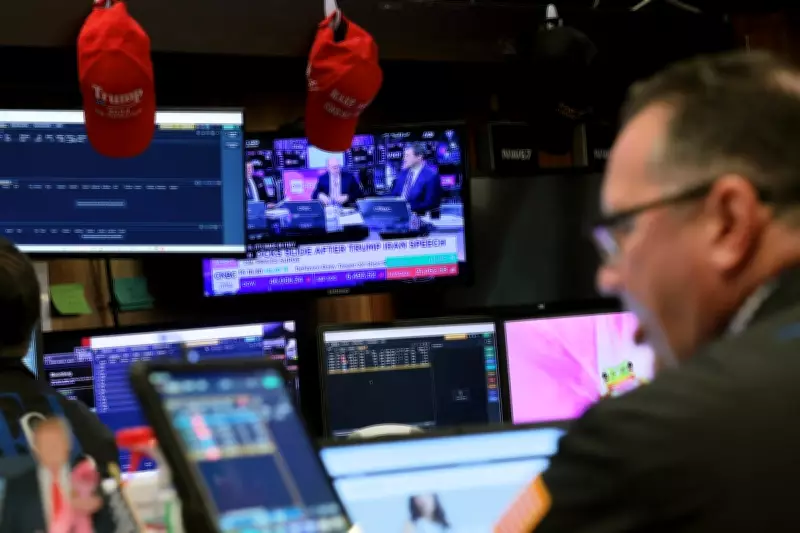
Wall Street financial markets remained closed on Friday, April 3, 2026, in observance of the Good Friday holiday. The New York Stock Exchange and Nasdaq both suspended trading operations for the day, while the U.S. bond market concluded its session early at noon Eastern Time.
Strong Employment Figures Emerge Despite Market Closure
Despite the market closure, significant economic data was released showing a robust recovery in the American labor market. According to the latest employment report, U.S. employers added an impressive 178,000 new jobs during the previous month. This substantial gain represents a strong rebound from the job losses recorded in the preceding period.
The unemployment rate simultaneously fell to 4.3%, indicating tightening labor market conditions and continued economic resilience. This positive jobs data influenced U.S. futures trading, which saw modest declines on Friday as investors digested the implications of the stronger-than-expected employment figures.

Energy Market Volatility Amid Geopolitical Tensions
Energy markets experienced notable volatility in the lead-up to the holiday closure, with substantial price surges occurring on Thursday. These movements were primarily driven by escalating concerns regarding the ongoing conflict involving Iran, with market participants increasingly worried that hostilities might prove more protracted than initially anticipated.
U.S. President Donald Trump indicated that American military operations against Iran would continue, though he provided no clear timeline for conflict resolution. This uncertainty has raised fears about potential prolonged disruption to global oil supplies, contributing to the energy market turbulence observed before the holiday closure.
International Market Performance
While European markets were similarly closed for the Good Friday holiday, Asian markets presented a mixed performance picture. Japan's Nikkei index and South Korea's Kospi both recorded gains during their trading sessions. In contrast, China's Shanghai Composite experienced a decline, reflecting divergent regional market sentiments amid the global geopolitical and economic developments.
The combination of strong domestic employment data, ongoing geopolitical tensions in the Middle East, and varied international market performance creates a complex backdrop for investors as they await the reopening of U.S. markets following the holiday weekend.






