Global Stock Markets Plunge as Oil Prices Surge Past $100 a Barrel
Stock Markets Tumble as Oil Prices Soar Above $100

Stock Markets Tumble Further as Oil Prices Soar Above $100 a Barrel

London's FTSE 100 Index joined global markets in a significant downturn on Monday, following a sharp surge in oil prices that exceeded $100 per barrel for the first time in nearly four years. The UK blue-chip share index fell by 1.7%, dropping 181 points to 10,103.71, after enduring punishing declines last week due to the escalating Middle East conflict.

Oil Price Spike and Supply Crisis

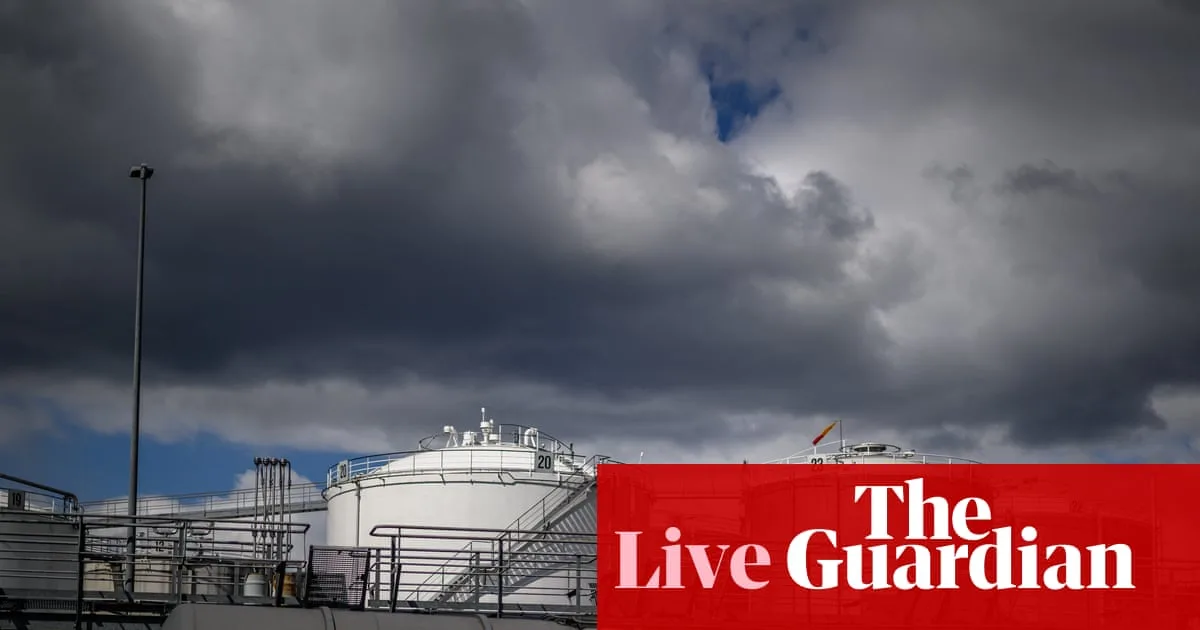
Benchmark Brent crude soared by 16% to more than $107 per barrel, having briefly reached nearly $120 in levels not seen since the summer of 2022. This dramatic increase is attributed to a mounting supply crisis caused by the war in Iran, which has spread further across the region. Iran has named the son of its late supreme leader, a hardliner, in charge, leading to targeted attacks on regional energy infrastructure and the blocking of the crucial Strait of Hormuz shipping route. This strait typically carries a fifth of the world's oil, exacerbating global supply shortages.

Global Market Reactions

Stock markets have slumped in response to the oil price surge. European indices were heavily in the red, with Germany's Dax and France's Cac 40 both dropping 2.6%. This followed substantial declines in Asia overnight, where Japan's Nikkei 225 fell 5% and the Australian market experienced its worst single-day drop in nearly a year, down 3%. The market turmoil reflects heightened fears of a potential US and global recession as inflation surges due to the energy crisis.

Wide Pickt banner — collaborative shopping lists app for Telegram, phone mockup with grocery list

Government and Analyst Responses

Chancellor Rachel Reeves is expected to join a virtual emergency meeting of G7 finance ministers on Monday afternoon to discuss the crisis. Reports suggest they will consider a possible joint release of petroleum from reserves, coordinated by the International Energy Agency, to help tackle the surge in oil prices. However, analysts caution that such measures may provide only temporary relief. Chris Beauchamp, chief market analyst at IG, noted, "The market is now facing its biggest crisis since Liberation Day, and arguably since Covid." He added that the election of a hardliner in Iran makes a ceasefire less likely and increases the risk of recession.

Impact on Fuel and Energy Prices

Oil prices are now approximately 60% higher than when the war started, significantly affecting wholesale fuel prices and driving costs at petrol pumps sharply higher. According to the Energy and Climate Intelligence Unit, oil trading at $100 per barrel could result in petrol prices of about 150p per litre, while $120 per barrel might push prices to 170p per litre. The RAC reported that the average price of a litre of petrol at UK forecourts was 137.5p on Sunday, up nearly 5p since February 28, with diesel prices rising almost 9p to 151p over the same period.

Broader Energy Concerns

There are also growing worries over the impact on UK energy prices, as wholesale global prices have soared. QatarEnergy halted production of liquified natural gas due to attacks on its facilities, with Kuwait following suit. These disruptions in natural gas supply feed into electricity prices and heating costs for homes, compounding the economic strain on consumers. The combined effects of oil and gas price increases underscore the deepening crisis in global energy markets, with potential long-term repercussions for inflation and economic stability.

Pickt after-article banner — collaborative shopping lists app with family illustration




