

Global stock markets have endured a severe battering this week as oil prices skyrocketed in their most substantial weekly gain for six years, with no immediate resolution in sight for the escalating conflict in the Middle East. The turmoil has sent shockwaves through financial centers worldwide, compounding economic anxieties.
Market Declines Across Major Indices
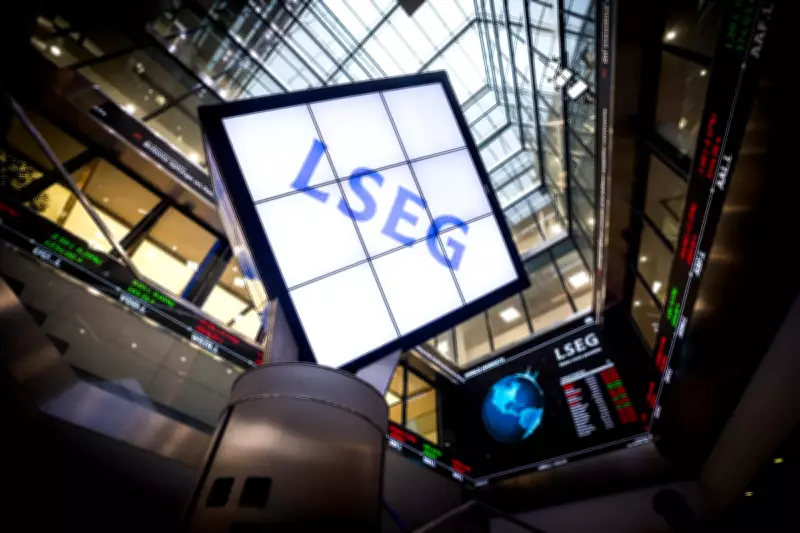
London's FTSE 100 Index faced a sharp downturn, plummeting 1.6% at one stage during trading on Friday before settling at a closing loss of approximately 130 points, or 1.2%, finishing at 10,284.75. The declines were mirrored across the Atlantic, where Wall Street also suffered heavy losses. After European markets closed, the S&P 500 and Dow Jones indexes both fell by about 1.1%, reflecting a broad-based sell-off.
European markets were not spared from the downturn. Germany's Dax and France's Cac 40 both experienced declines of 1.5% at one point during the day, before recovering slightly to close 0.9% and 0.7% lower, respectively. Gloomy jobs data from the United States further exacerbated market woes, adding to the pessimistic sentiment that has gripped investors.

Oil Prices Surge to Multi-Year Highs
Benchmark Brent crude prices soared dramatically, shooting up by as much as 10% to reach 94 US dollars per barrel by Friday evening. This surge pushed oil prices to levels not witnessed in three years. The sharp increase followed reports that Kuwait had joined Qatar in announcing the beginning of energy production halts, intensifying supply concerns.
Since the onset of the US-Israel war with Iran last Saturday, oil prices have climbed by more than 25% this week alone. This represents the most significant weekly gain since early 2020, during the height of the Covid-19 pandemic, highlighting the severity of the current geopolitical tensions.
Geopolitical Tensions Dash Hopes for De-escalation
Comments from US President Donald Trump have further dampened hopes for a swift resolution to the conflict. President Trump stated that there would be no end to the hostilities until an "unconditional surrender" of the Iranian regime is achieved. This hardline stance has effectively dashed any near-term prospects for de-escalation, keeping markets on edge.
Kathleen Brooks, research director at XTB, provided a sobering analysis of the situation. "There is not much to stop oil from hitting 100 dollars per barrel in the near term," she warned. Brooks emphasized the interconnected nature of financial markets, noting, "Until the oil price stabilises it's hard to see how stock markets and bond prices can recover."
Caution Over Further Market Turmoil
Brooks also cautioned investors about the potential for additional stock market declines in the coming week. "If the war continues to escalate over the weekend, we think that markets will continue to sell off, especially after the rapid increase in oil prices today," she explained. This warning underscores the fragile state of global markets amid ongoing geopolitical uncertainty.
Rising UK Government Borrowing Costs
The ripple effects of the oil price surge have extended to UK government borrowing costs, which have risen sharply this week due to mounting inflation fears. The yields on 10-year government bonds, commonly referred to as gilts, have jumped from 4.27% at the start of the week to 4.62% on Friday.
Concerns are growing that soaring fuel and energy bills will hinder further interest rate cuts, putting additional pressure on the UK economy. Brooks highlighted the particular vulnerability of UK gilts in this context, stating, "The rapid repricing of monetary policy expectations and the UK's history of high energy prices means that UK gilts are particularly vulnerable to this energy price spike."
As markets brace for potential further volatility, the combination of geopolitical tensions, surging oil prices, and rising borrowing costs creates a challenging environment for investors and policymakers alike. The week's events serve as a stark reminder of how quickly global conflicts can translate into financial market turmoil.






