
Oil prices climbed back above $100 a barrel on Tuesday following fresh US strikes on Iran, which dampened hopes for a diplomatic resolution to the conflict. Experts warn that the global energy market may have passed the 'point of no return', with peace talks appearing stuck in an 'endless loop'.
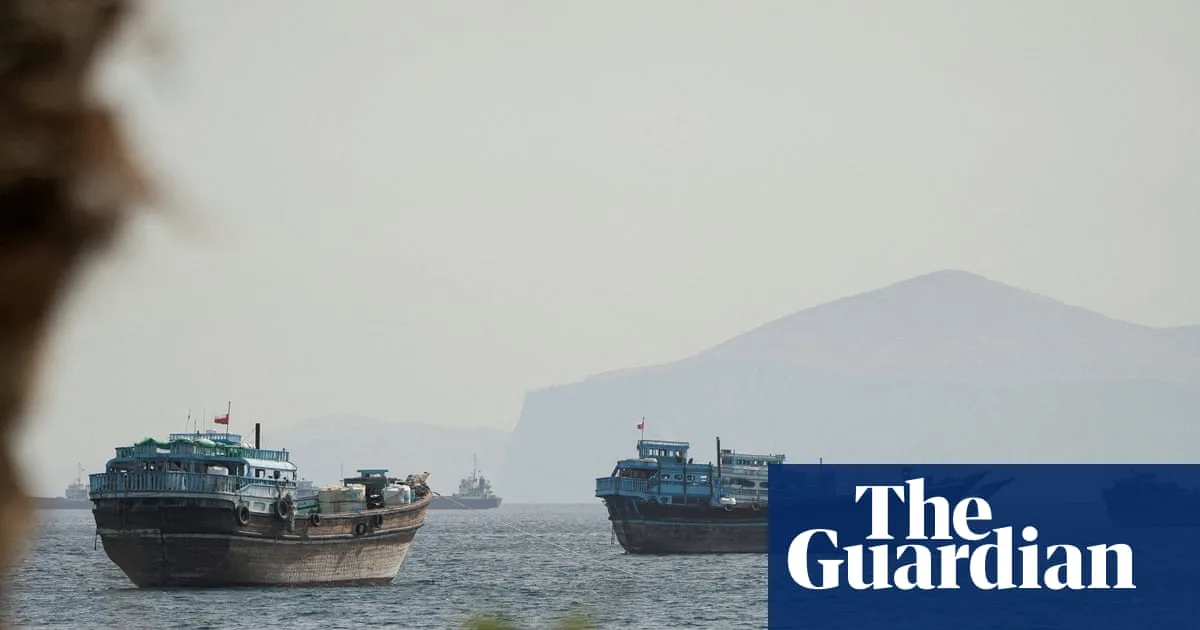
The attacks on missile launch sites and mine-laying vessels pushed Brent crude past the key threshold, as a peace deal remains elusive. The conflict and blockade of shipping through the Strait of Hormuz have sent oil soaring, topping $126 at the end of last month. However, recent weeks saw prices significantly below predictions as traders bet on a diplomatic solution.
Market observers say weeks of disruption have heavily eroded global stockpiles of crude and fuel, while demand for transport fuels is expected to increase over the summer. Analysts at HFI Research stated the market had 'reached the point of no return' and could face a 'rude awakening' by next month. Michael Every of Rabobank described the situation as an 'endless loop' of false hopes for a breakthrough.
The head of the International Energy Agency, Fatih Birol, warned the world could hit a 'red zone' in July and August, requiring further emergency measures. Saudi Aramco predicted that if the Strait of Hormuz remains closed, 'oil supply challenges' would persist until next year. The shutdown has cut 14.4 million barrels of oil per day from Gulf output, with emergency stockpile releases expected to end by July.
In the UK, petrol prices have reached their highest level since the conflict began, with the average price now 159.43p per litre, according to the RAC. The cap on typical dual-fuel costs in Great Britain is forecast to increase by nearly 13% due to higher gas prices caused by the blockade, costing the average household an extra £209 a year.




