

Global financial markets experienced a remarkable turnaround on Monday as former President Donald Trump indicated a potential diplomatic breakthrough in the ongoing Iran conflict, triggering a sharp decline in oil prices and alleviating fears of a worldwide economic downturn.
Early Trading Frenzy
Futures for the Dow Jones Industrial Average initially skyrocketed by approximately 1,000 points, representing a gain of around 2 percent, while the S&P 500 and Nasdaq-100 indexes both surged more than 2 percent during early trading sessions. This sudden rally followed Trump's revelation that the United States and Iran had engaged in what he described as 'very good and productive' discussions over the preceding two days.
Presidential Intervention
In a significant development, Trump announced he had ordered a five-day suspension of planned military strikes targeting Iranian energy infrastructure, including power plants, to allow diplomatic negotiations to continue. This announcement came just hours after markets had been preparing for another severe sell-off, with escalating geopolitical tensions and soaring oil prices pushing investors toward panic.

Market analysts noted that some of the initial gains moderated within the first hour after Trump's social media post, as traders carefully evaluated the uncertainty surrounding whether these preliminary talks would lead to a sustainable resolution. By approximately 8:00 AM Eastern Time in New York, Dow futures had settled at a gain of about 780 points, with S&P 500 and Nasdaq futures both up approximately 1.5 percent.
Oil Market Volatility
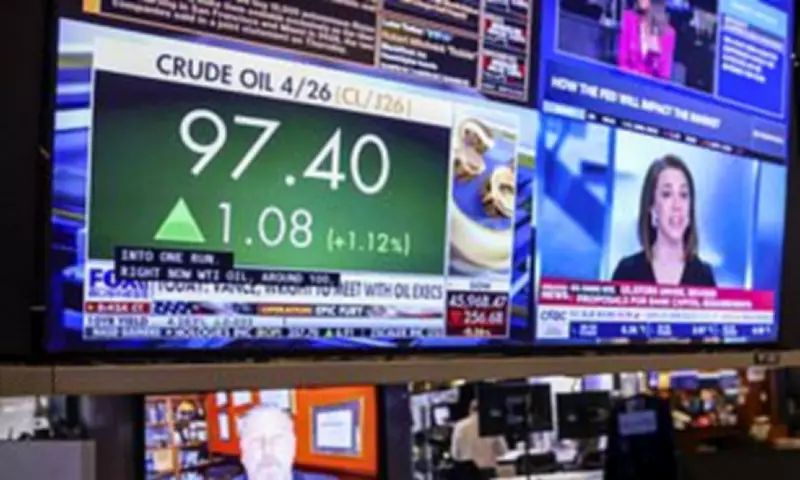
The energy markets reacted immediately and dramatically to the news. Crude oil prices plummeted following Trump's announcement before experiencing a slight recovery. The US benchmark West Texas Intermediate crude initially plunged more than 9 percent to below $90 per barrel, while Brent crude, the international standard, fell over 13 percent to under $97 per barrel.
Investor Psychology Shift
This market movement represented a significant psychological shift for investors who had been bracing for continued escalation in the Middle East conflict, now entering its fifth week. Tensions had peaked after Trump issued a 48-hour ultimatum demanding Iran reopen the Strait of Hormuz, a crucial maritime passage responsible for transporting approximately one-fifth of the world's oil supplies.
Tehran had previously warned it would retaliate against US-linked infrastructure throughout the Gulf region if American strikes proceeded. Financial experts interpreted the temporary pause in hostilities as a potential 'off-ramp' from the crisis that had been weighing heavily on global markets.
Broader Economic Implications
The market rebound provided welcome relief for millions of American investors, as rising stock prices typically enhance the value of retirement accounts such as 401(k) plans, which maintain substantial allocations to equity investments. Jeff Kilburg, CEO of KKM Financial, characterized the development as equity markets finally discovering "an off-ramp to the dramatic uncertainty" that had dominated trading.
Kilburg further suggested that "if this becomes a foundation for peace, stocks could push back toward record highs," highlighting the potential for sustained market recovery should diplomatic progress continue. The dramatic market movements underscore how geopolitical developments in the Middle East continue to exert profound influence on global financial stability and energy markets.






