
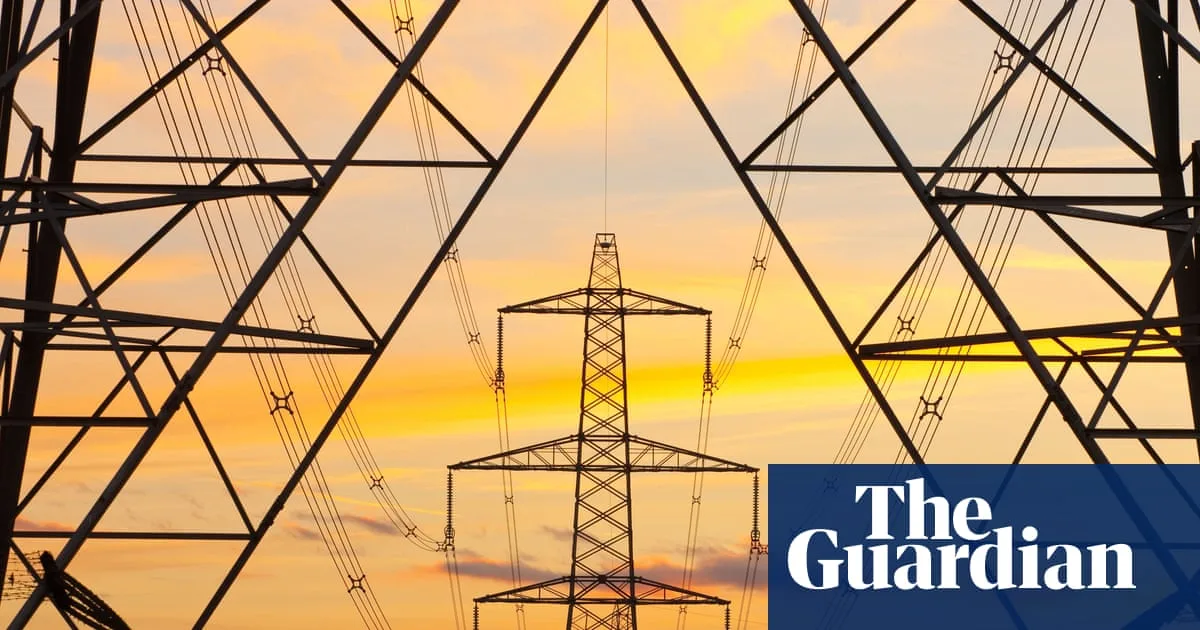
Investors are pivoting towards 'heavy-asset, low-obsolescence' companies, dubbed the Halo trade, as artificial intelligence reshapes the global economy. The strategy focuses on firms with tangible, productive assets such as energy and transport infrastructure, which are seen as insulated from AI disruption.
Goldman Sachs reported that its basket of over 100 capital-intensive companies outperformed capital-light firms by 35% since 2025. The bank noted a decisive shift back toward physical assets in Europe after a decade of under-investment.
The FTSE 100 hit a series of record highs in 2026, with February its strongest month since November 2022. The pan-European Stoxx 600 also reached record levels, driven by a rotation out of US tech stocks into sectors like energy and materials.
Examples of Halo companies include oil tanker shipping firm Frontline, up 57% this year, and Kongsberg Gruppen, a defence and aerospace supplier, up 46%. In contrast, software firms have faced pressure as AI companies threaten their revenue models.




