Drugs giant GSK saw its shares come under pressure on Wednesday as falling vaccine sales overshadowed a better-than-forecast rise in quarterly profits.
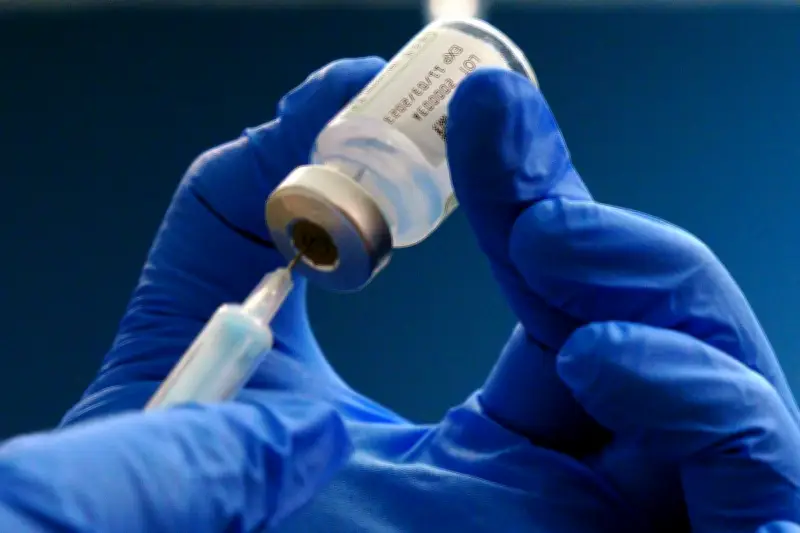
The British pharmaceutical firm reported vaccine sales fell 2% to £2.6 billion in the three months to September 30, with demand waning for its shingles jab Shingrix and Arexvy shot for the respiratory virus RSV.
Shares in the FTSE 100 group dropped 7% in morning trading on the sales disappointment.
Profit Rise and Sales Details
This came despite GSK posting a 5% rise in core operating profits, excluding exceptional items and currency movements, to £3.08 billion for the third quarter, against the £2.93 billion expected in the market. Sales on a constant currency basis lifted 5%.
Pre-tax profits were lower, at £1.94 billion in the quarter, down from £2.5 billion a year earlier.
The results showed sales of Shingrix fell 5% and Arexvy tumbled 24% amid lower US sales.
Earnings Boost and Executive Comment
Earnings were helped higher by sales of speciality medicines, up 15% in the quarter, as well as cancer treatments, which jumped 23%.
Luke Miels, chief executive of GSK, said: “We remain focused on operational delivery, execution and accelerating research and development.”
Dan Coatsworth, head of markets at AJ Bell, said GSK’s recently-appointed boss needs to bring on board new blockbuster treatments.
He said: “Chief executive Luke Miels is under pressure to build up a pipeline of new drugs ahead of a patent cliff with the loss of exclusivity on its blockbuster HIV drug Dolutegravir.
“Miels has made progress on this front, reflected in the strong showing for the speciality medicines arm and recent reporting around a big increase in its cancer treatment pipeline, and is continuing to bring down costs throughout the business.
“However, the latest update is a reminder Miels still has plenty of work to do.”
Cost-Cutting and R&D Overhaul
GSK revealed in first half results in July that annual costs are set to be cut by £1.9 billion over the next three years to fund investment, ramp up R&D and help offset the hit when one of its key HIV treatments, dolutegravir, comes off its patent.
The firm also announced at the time it planned to shut its main research and development hub in Stevenage and open a new flagship site in Cambridge as part of a major R&D overhaul.
In February, it confirmed around 350 R&D jobs were going across the US and UK and in July it said some support services roles were being impacted by cost cutting, but did not reveal numbers.