

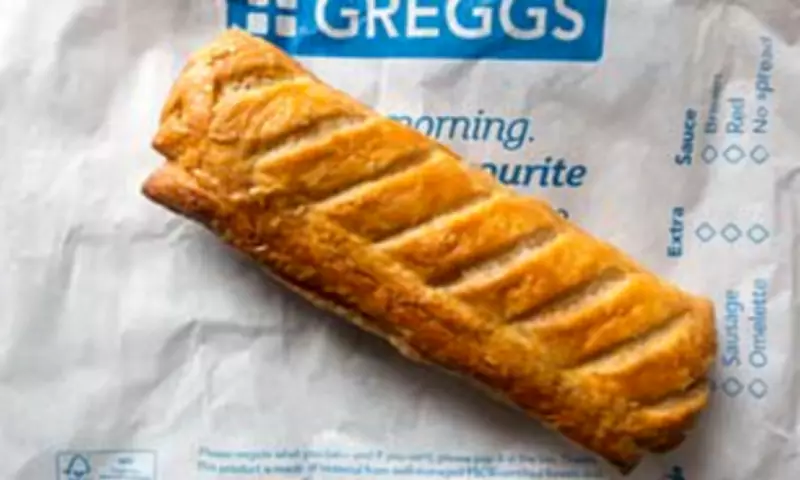
Greggs, Britain's largest bakery chain, has pointed to Rachel Reeves' National Insurance (NI) increases and higher minimum wages as key factors behind its recent price adjustments on popular items like sausage rolls and lattes. The company reported that employment costs were the primary driver behind a 5.5 per cent rise in overall expenses last year, directly impacting consumer pricing.
Labour's National Insurance Changes
The Labour government implemented a significant £25 billion adjustment to employer National Insurance contributions last year. This policy involved raising the rate paid by businesses and lowering the salary threshold at which these payments begin, placing additional financial pressure on companies across the UK.
Minimum Wage Increases
Concurrently, the Government enacted substantial minimum wage hikes, with particularly sharp rises for workers under 21 years old. These adjustments brought younger employees' pay closer to that of their older counterparts, further escalating labour costs for employers like Greggs.

Greggs' Pricing Strategy
Facing these mounting expenses, Greggs acknowledged that cost-saving measures alone were insufficient to offset inflation. Instead, the Newcastle-based firm implemented what it described as 'careful pricing activity' to protect profit margins. This strategy resulted in specific price increases implemented in January: sausage rolls rose by 5p to £1.35, while lattes increased by 10p to £2.25.
Financial Performance Impact
The company's latest financial results revealed a 17.9% decline in statutory pre-tax profits, which fell to £167.4 million for the year ending December 27. Greggs attributed this profit reduction to multiple factors including the challenging market environment and unusually hot weather that reduced high street footfall.
Sales Growth and Expansion
Despite profit pressures, Greggs reported positive sales growth of 6.8%, reaching £2.15 billion in total revenue for the year. This performance was supported by the company's aggressive store expansion program, which saw 121 net new openings in 2025, bringing the total estate to 2,739 locations. The bakery chain plans approximately 120 additional openings this year, with long-term ambitions to operate 'significantly more than 3,000' UK shops.
Market Challenges and Outlook
Greggs has faced numerous headwinds including cautious consumer spending amid cost-of-living pressures, increased tax burdens, and growing popularity of weight-loss treatments affecting food demand. However, Chief Executive Roisin Currie identified 'green shoots' in the current economic landscape.
Currie stated: 'Looking into 2026, easing inflationary pressures should provide some support to consumer spending and demand for convenient food-on-the-go continues to underpin the market.' She acknowledged that while 2026 presents another challenging year with ongoing pressures on disposable income, the company remains optimistic about gradual improvement in market conditions.
The expansion of Greggs' delivery services and increased evening trade have contributed to sales growth, helping offset some market challenges. As the company navigates evolving economic policies and consumer behaviour, its pricing strategies will continue to reflect the complex interplay between government regulations, labour costs, and market demand in the UK food retail sector.






