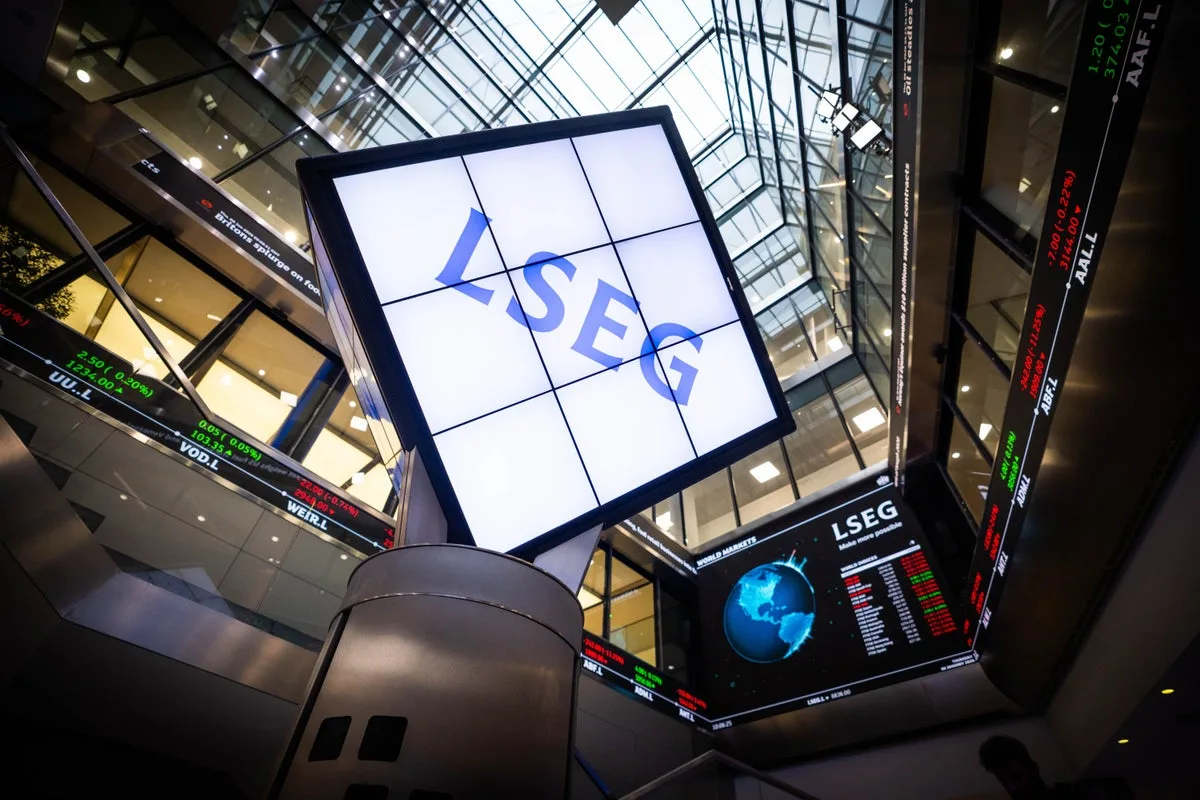
FTSE 100 Falls 0.8% as US-Iran Strikes Test Peace Hopes

The FTSE 100 finished lower on Thursday as optimism for a peace deal between the United States and Iran came under intense pressure following fresh military strikes. The blue-chip index closed down 79.05 points, or 0.8%, at 10,425.96, reversing earlier gains.

Market Overview

The FTSE 250 also declined, ending 60.06 points lower, or 0.3%, at 23,324.92. In contrast, the AIM All-Share index edged up slightly to 813.63. The volatility followed a new exchange of strikes between the US and Iran, marking their most serious clash since a ceasefire was agreed in April. The conflict also drew in Kuwait, a US ally, which reported responding to incoming fire, while violence escalated on the Lebanese front after Israel declared parts of southern Lebanon a combat zone.

Russ Mould, investment director at AJ Bell, commented: "The optimism which has persisted for much of this week about the prospects for a deal between the US and Iran is being severely tested. The fresh exchange of strikes is testing the fragile ceasefire and forcing a reassessment of the chances of a near-term agreement which can reopen the Strait of Hormuz and dial down the pressure the crisis is putting on the global economy."

Wide Pickt banner — collaborative shopping lists app for Telegram, phone mockup with grocery list

Peace Deal Hopes Resurface

Despite the hostilities, mid-afternoon reports revived hopes for a diplomatic resolution. Axios reported that US and Iranian negotiators had reached an agreement on a 60-day memorandum of understanding to extend the ceasefire and initiate talks on Iran's nuclear programme. The report, citing two US officials and a regional source involved in mediation, noted that President Donald Trump had yet to give final approval. One US official told Axios: "This is an agreement to get everybody to the table. We will work out the details in the negotiations."

Brent crude for July delivery traded lower at $94.57 per barrel on Thursday, down from $96.61 at the London equities close on Wednesday, as the prospect of a deal weighed on prices.

European and US Markets

In Europe, the CAC 40 in Paris ended down 0.2%, while the DAX 40 in Frankfurt closed 0.3% lower. Across the Atlantic, the Dow Jones Industrial Average edged down slightly, the S&P 500 rose 0.5%, and the Nasdaq Composite gained 0.6%.

US Economic Data

The impact of the Middle East conflict was evident in US inflation data. The Personal Consumption Expenditures (PCE) price index, the Federal Reserve's preferred inflation measure, rose 3.8% year-on-year in April, the highest since 2023, up from 3.5% in March. Core PCE, excluding volatile food and energy, increased 3.3%. Both figures were broadly in line with market expectations.

Separate data showed the US economy grew at an annualised rate of 1.6% in the first quarter, down from an initial estimate of 2.0%, as investment and consumer spending were revised lower amid the war's fallout. Michael Pearce, economist at Oxford Economics, noted: "New data showed services spending, particularly on medical services, slowed and business inventories fell by more than previously estimated. Downward revisions to consumer spending in the first quarter, alongside a slowdown in April, point to a consumer coming under stress."

Analysts at Citigroup added: "Today's readings will not change the Fed's on-hold stance. But we think the trend toward slower incomes, consumer spending and recognition that there is not broad-based consumer price pressure in the economy can ultimately form part of an argument for more dovish Fed policy."

Currency, Bond and Commodity Markets

The pound traded at $1.3435 on Thursday afternoon, up from $1.3429 on Wednesday. Against the euro, sterling eased to €1.1530 from €1.1543. The euro rose against the dollar to $1.1653 from $1.1633, while the dollar weakened against the yen to ¥159.23 from ¥159.46.

The yield on the US 10-year Treasury narrowed to 4.46% from 4.47%, and the 30-year yield edged down to 4.99% from 5.00%. Gold traded higher at $4,479.57 per ounce, up from $4,439.66.

FTSE 100 Movers

Defence stocks were among the biggest risers amid the ongoing crisis. Babcock International gained 4.1%, while BAE Systems rose 2.7%. Rolls-Royce also advanced, adding 17.4p to 1,314.6p. Other risers included Compass Group and Antofagasta.

Pickt after-article banner — collaborative shopping lists app with family illustration

On the downside, BT Group fell 3.5% after the Financial Times reported that the Government would oppose any attempt by Bharti Enterprises to increase its stake above 24.95%. National Grid, Severn Trent, Autotrader, and Rightmove also declined.

FTSE 250 and AIM Highlights

PPHE Hotel Group soared 22% after Fattal Hotel Group confirmed a bid proposal of £22 per share, valuing the company at £930 million. Fattal, a Tel Aviv-based hospitality chain, already held a 4% stake in PPHE, which operates Park Plaza and art'otel brands with a £2.2 billion property portfolio.

Metro Bank climbed 5.6% after RBC Capital Markets raised its price target to 195p, citing the lender as "better shielded from UK political risk."

On AIM, MicroSalt shares fell 16% after the low-sodium salt producer lowered its 2026 sales guidance to $4.5 million from $7.0 million, citing production timing for a 2027 launch. The company reaffirmed its 2027 sales estimate of $15 million.

Outlook

Friday's global economic calendar includes GDP figures from Canada, inflation data from France, Germany, and Italy, and the Chicago PMI. Local corporate updates include first-quarter results from Beowulf Mining.




