
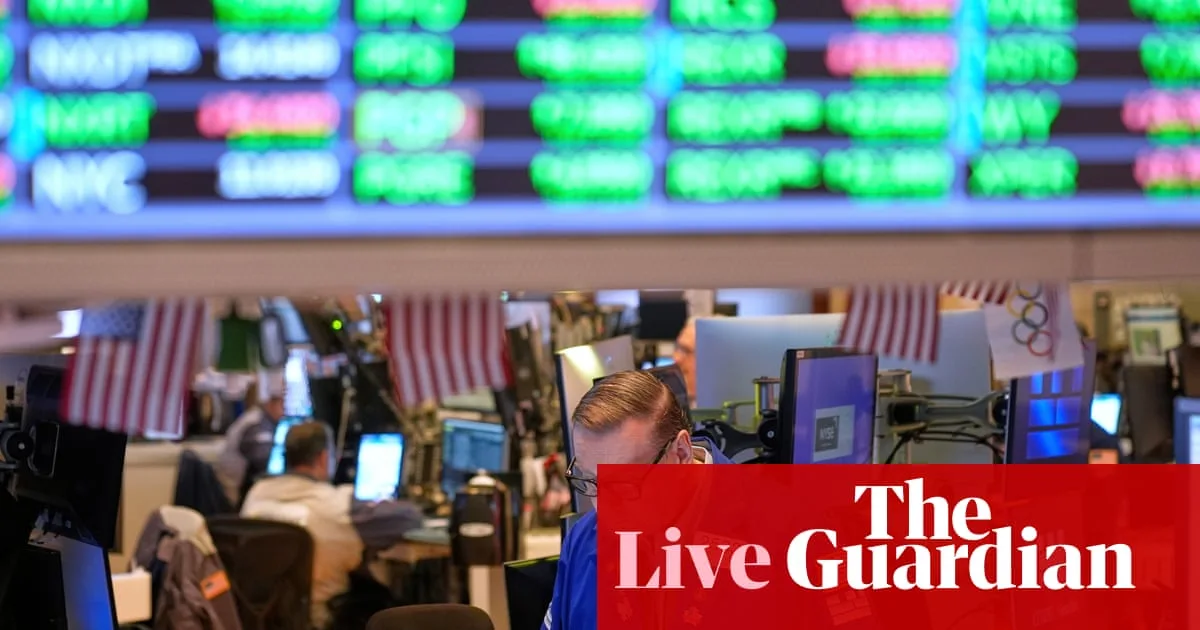
The FTSE 100 index of leading London-listed companies rose 2%, or 153 points, to 7,852 on Tuesday, recovering from its lowest level in over a year. However, the gains did little to offset the heavy losses suffered since US President Donald Trump announced new tariffs last week.
The pan-European Stoxx 600 index also climbed 1.75%, following gains in Asia-Pacific markets. Japan’s Nikkei surged 6% after Tokyo became the first major economy to secure priority tariff negotiations with Washington. However, Trump rejected claims that he would delay the targeted tariffs by 90 days, prompting warnings of further volatility.
US plans for a $1 trillion defence spending bill boosted European defence contractors such as Rolls-Royce and Rheinmetall. Meanwhile, the European Commission President Ursula von der Leyen called on China to help negotiate a solution to the global trade war, emphasising the need for a “free, fair and founded on a level playing field” trading system.
Oil prices have fallen 14% over the past week, with Goldman Sachs predicting Brent crude could drop below $40 per barrel by late 2026 if a US recession hits and OPEC+ unwinds production cuts. Russia’s central bank governor warned that the sharp drop in oil prices poses a risk to the Russian economy.
Ford UK chair Lisa Brankin expressed concerns that the trade war could hurt consumer confidence and dent demand for new cars, though she noted that most of Ford’s European sales are produced locally, limiting tariff exposure.




