
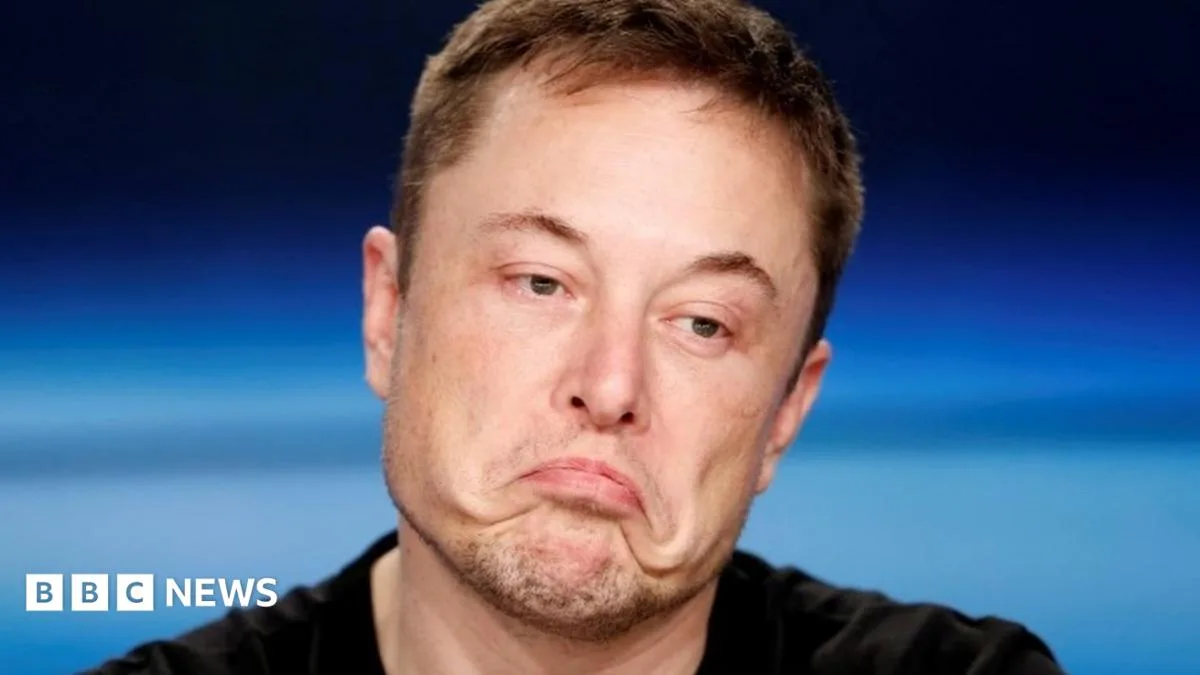
Tesla boss Elon Musk has announced he is considering taking the electric carmaker private, claiming the move would be the 'best path forward' for the company. Musk first revealed the plan on Twitter, an unusual forum for such a major corporate announcement, rather than through official regulatory channels.
Delisting from the stock exchange would mean Tesla, currently valued at $63.8bn (£50bn), would no longer face quarterly scrutiny from Wall Street, which Musk has long criticised for encouraging short-term thinking. Musk proposed a buyout price of $420 per share, valuing the company at more than $80bn including debt—a sum that would make it the largest buyout in history, surpassing the $44bn purchase of TXU Corp in 2007.
Tesla shares surged 11% on the news, closing at nearly $380. Musk, who owns almost 20% of the company, claimed that funding for the buyout had been secured, but provided no details. He also warned that 'a final decision has not been made' and that any deal would require a shareholder vote.
Analysts remain sceptical. Gene Munster of Loup Ventures gave Musk a 'one-in-three chance' of success, noting that the premium over the current share price may not be enough to incentivise shareholders. Steven Kaplan of the University of Chicago pointed out that Tesla is cash-flow negative, making it difficult to raise debt financing. BBC business editor Simon Jack warned that if Musk does not have solid financial backing, he could face regulatory action for share price manipulation.
Musk has previously clashed with analysts and used Twitter informally, including an April Fool's joke about Tesla going bankrupt. Despite the unconventional announcement, the US Securities and Exchange Commission allows companies to use social media for disclosures if investors are informed in advance, which Tesla did in 2013 by flagging Musk's Twitter account as a source of information.




