
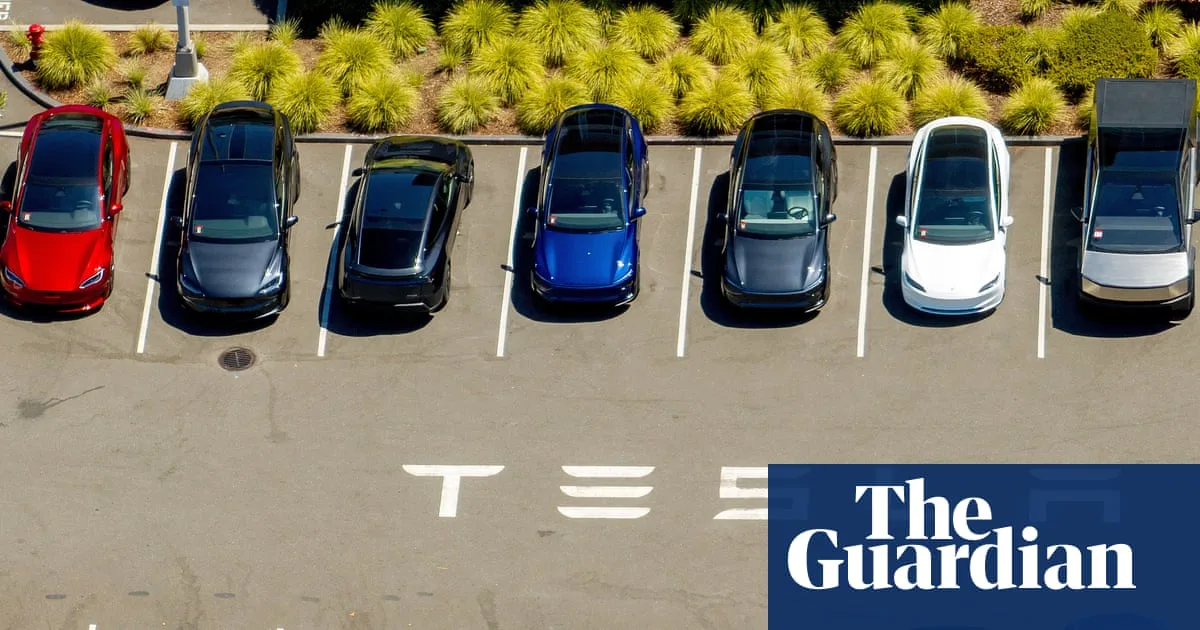
Tesla reported a steep drop in profits for the third quarter, despite a surge in vehicle sales driven by US consumers rushing to secure electric vehicle tax credits before they expired. The automaker posted net income of $1.4bn, down 37% from $2.2bn a year earlier, missing analyst earnings expectations of $0.54 per share with actual earnings of $0.50 per share.
Revenue exceeded Wall Street forecasts at over $26bn, but operating income of $1.62bn fell short of the $1.65bn expected. The company attributed the sales boost to customers locking in tax credits under the One Big Beautiful Bill Act, which ended last month. However, the loss of those credits, along with shifting trade and tariff policies, has created headwinds for Tesla's future sales.
During an investor call, CEO Elon Musk highlighted Tesla's progress in AI and autonomous driving, claiming the company's Optimus robots could become "the biggest product of all time." He also reiterated his vision for a $1tn pay package, which he argued would protect him from being "ousted" once Tesla builds a "robot army."
The earnings report comes ahead of a shareholder vote on Musk's unprecedented compensation plan, which is contingent on Tesla reaching an $8.5tn market cap over the next decade. Proxy advisory firms Glass Lewis and ISS have recommended against the package, prompting Musk to accuse them of "corporate terrorism." Tesla also faces regulatory scrutiny over its Full Self Driving technology, with the US transportation safety regulator investigating crashes involving the system.
Musk's political activities, including insults directed at US Transportation Secretary Sean Duffy, have added to the company's challenges. The vote on Musk's pay package is scheduled for 6 November.




